
Dissolved Oxygen in Fish SystemsTargets, Drops and Fixes
How much dissolved oxygen fish need, why levels fall at night and in heat, and how aeration and oxygen cones keep them up.
 EQUIPMENT REFERENCE
See the mechanism.
Understand the duty.
Select a route or a stage to inspect the process. The cutaway explains the equipment and water environment; it is a teaching illustration, not a project drawing.
Measure the system
Record the test method, units and sampling location.
Use appropriate tests and record units, location, time, pH and temperature with the result.
- Record the test method, units and sampling location.
- Keep concentrations, loads and chemical forms distinct.
- Interpret results with species, pH, temperature and salinity.
Key takeaways
- How much is enough: Many fish and shrimp need dissolved oxygen above roughly 4 to 5 mg/L, and sensitive or fast-growing species want more.
- Why it drops: Warm water holds less oxygen.
- How to raise it: Aeration with blowers and diffusers works at moderate stocking.
- Measure it, often: Take readings at dawn, noon and evening.
How much is enough
Many fish and shrimp need dissolved oxygen above roughly 4 to 5 mg/L, and sensitive or fast-growing species want more. Trout want it higher still. Check your species.
Why it drops
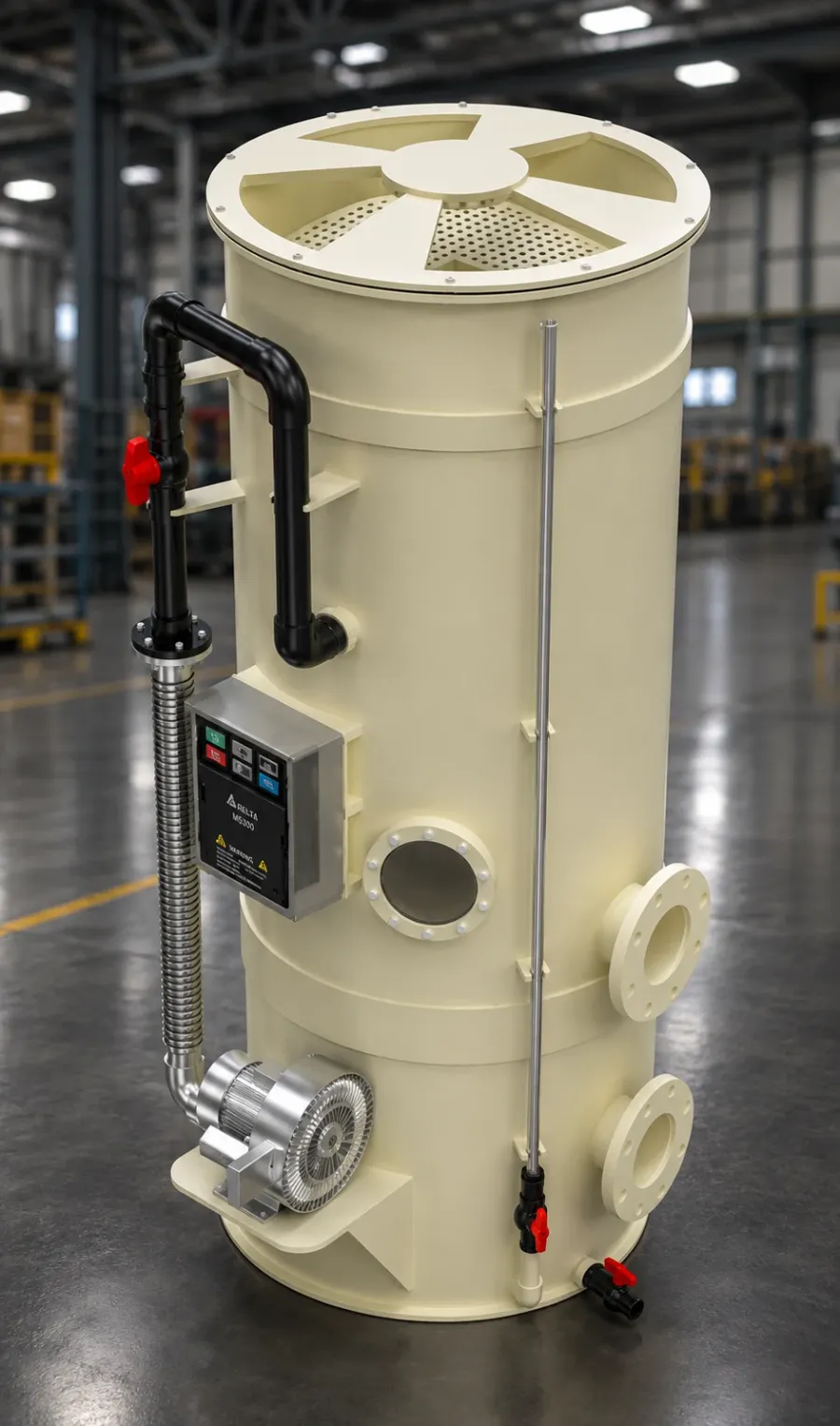
Warm water holds less oxygen. Fish, bacteria and algae all use it up. At night, algae stop making oxygen and start using it, so the lowest point is often before sunrise. Heavy feeding raises oxygen demand for hours afterwards.
Work with your own numbers.
Use the tools below to explore the relevant arithmetic. Enter measured values or declared assumptions. An estimate does not establish equipment capacity, biological performance or a safe operating limit.
Dissolved-oxygen mass inventory
Convert measured dissolved concentration and water volume into the mass currently dissolved.
Assumptions and limits
This is an inventory, not oxygen-delivery capacity or safe survival time. Fish, bacteria, transfer efficiency and changing demand require a separate oxygen balance.
Pump or equipment energy cost
Estimate electrical use from measured input power and a declared daily operating schedule.
Assumptions and limits
Use electrical input, not hydraulic power or the pump’s flow rating. Starting load, variable duty, taxes and demand charges are not included.
Convert units before you calculate
Planning arithmetic · inputs remain visible for review · example values are not operating recommendations
How to raise it
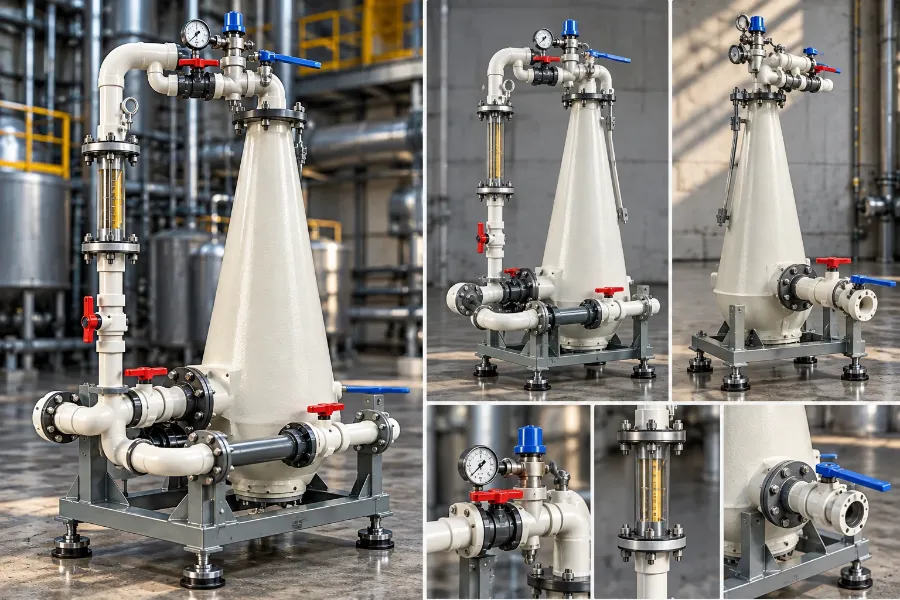
Aeration with blowers and diffusers works at moderate stocking. At higher stocking, pure oxygen delivered through an oxygen cone or diffusers lifts levels much more. Good circulation helps too.
Measure it, often
Take readings at dawn, noon and evening. Fit an alarm that warns you before levels get dangerous, and keep a backup supply.
Signs of trouble
Fish gulping at the surface, crowding near inlets, or sluggish feeding. Act at once: add air, cut feed and check the cause.
Pureflow Bio equipment for this
MBBR biofilters →Moving bed biofilters.Oxygen cones →Oxygen dissolving.UV disinfection systems →UV-C chambers.Make the measurements comparable
Use these questions to prepare a project brief or an operating review. Check an item only when the information has been recorded for your installation.
This checklist is a working aid in the current page session, not a saved maintenance record.
Dissolved Oxygen in Fish Systems FAQ
Why do fish die at night?
Oxygen is used up and not replaced, so levels often hit their lowest just before sunrise.
Is aeration enough?
At moderate stocking, yes. At high densities, pure oxygen is often needed.
More guides related to dissolved oxygen in fish systems
Discuss your system with Pureflow.
Share your application, operating volume, actual flow, loading and the question you are trying to resolve.