Pureflow Bio · Manufacturer in India
Oxygen Cones
Oxygen cones bring supplied oxygen and water into a selected contact vessel. Pureflow Bio manufactures oxygen-contact equipment in India for aquaculture and recirculating systems.
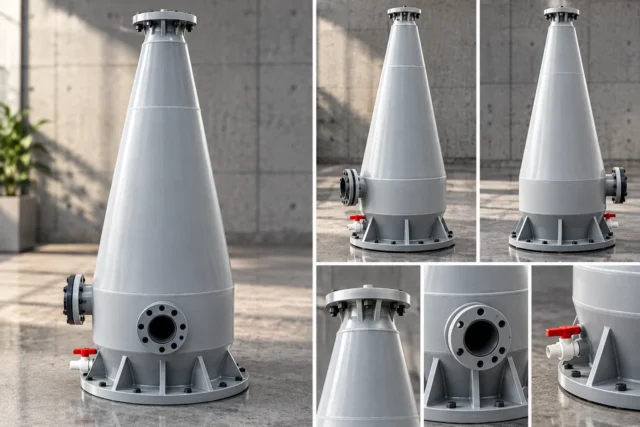
What are Oxygen Cones?
An oxygen cone is a gas-transfer vessel that brings supplied oxygen into contact with flowing water under the specified hydraulic and pressure conditions.
Oxygen Cones applications
RAS fish farms
Best for a measured oxygen demand and controlled supply arrangement.
Hatchery systems
Best for a documented oxygenation stage with monitoring.
Aquarium life support
Best for exhibit-specific water flow, pressure and oxygen requirements.
How Oxygen Cones work
Establish the water flow
Feed the cone at the approved hydraulic duty and pressure.
Introduce oxygen
Meter the specified oxygen supply into the designed contact arrangement.
Measure the return
Check dissolved oxygen and operate within the approved return-water conditions.
Oxygen Cones features and benefits
Defined contact geometry
Provides a vessel arrangement for an engineered oxygenation duty.
Metered gas supply
Supports adjustment of oxygen delivery through the specified controls.
Pressure coordination
Allows the cone duty to be reviewed with the circulation pump.
Monitoring interface
Provides a basis for the agreed dissolved-oxygen checks.
Oxygen Cones gallery
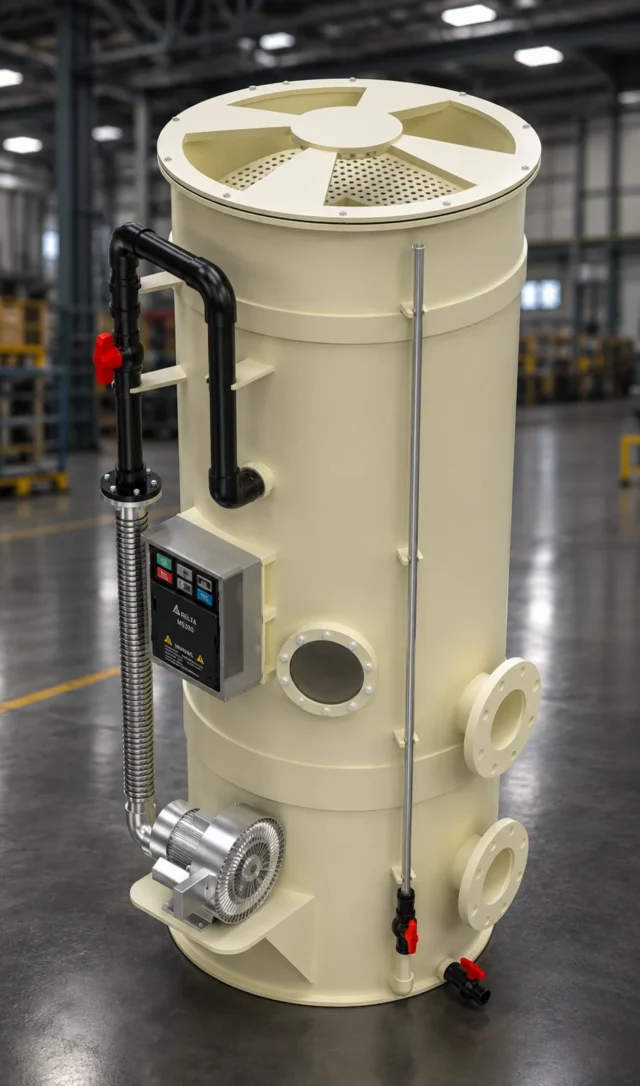
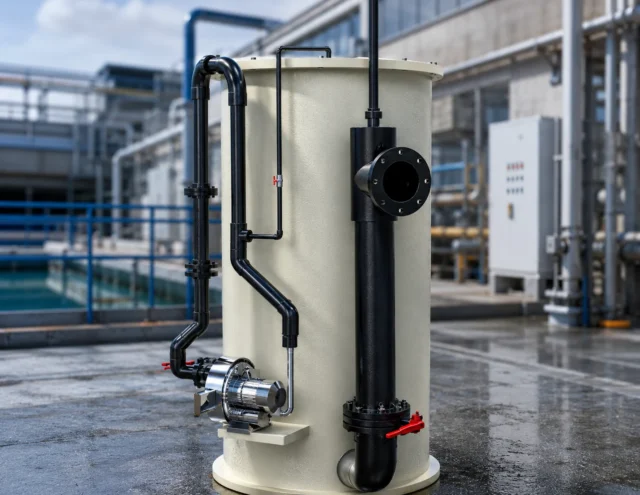
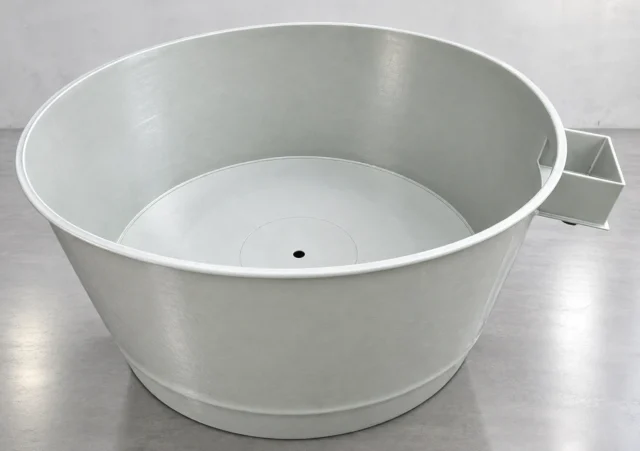
Explore equipment views and configuration examples. Images do not define the complete scope of supply or document a verified customer installation.
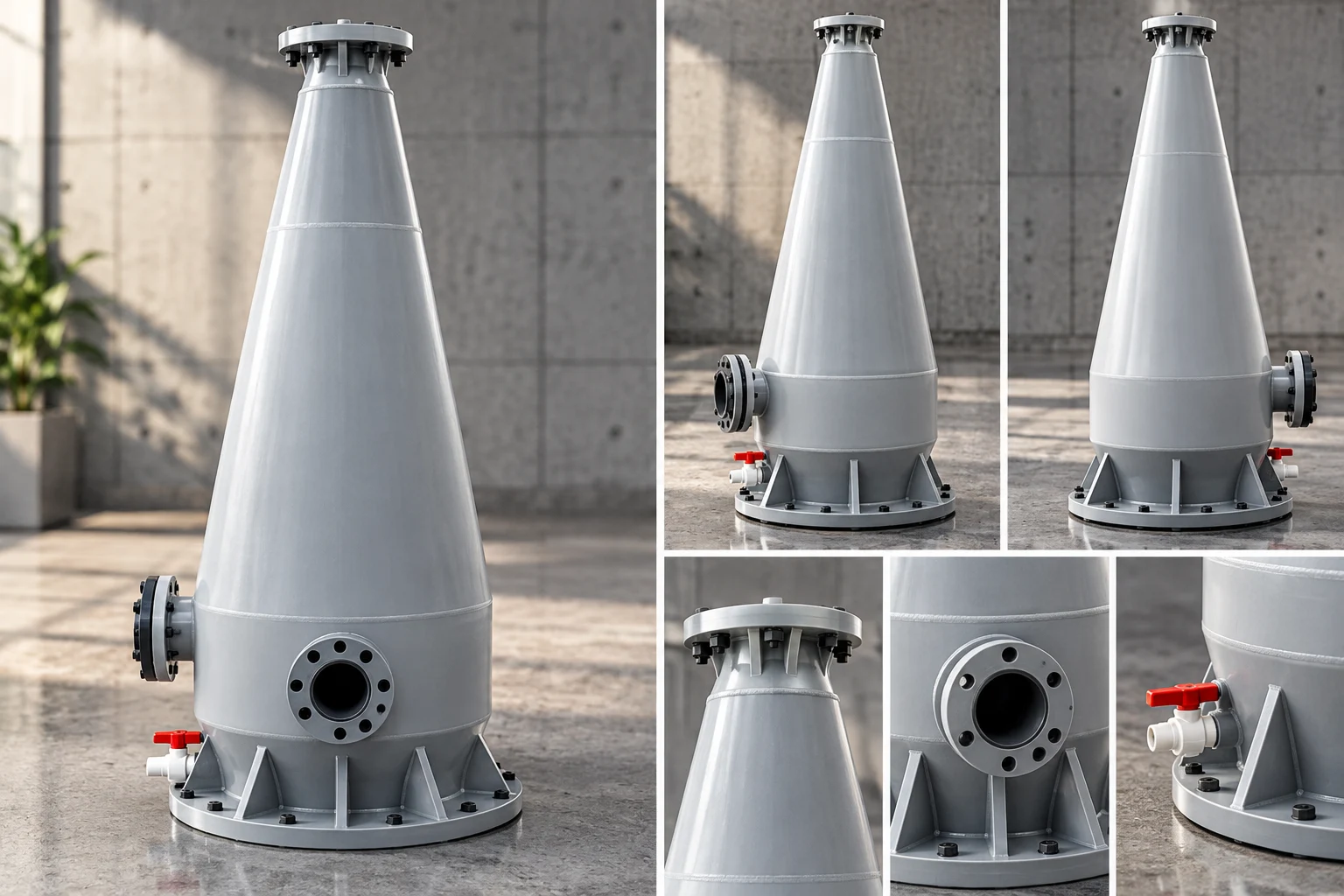
Oxygen Cones — assembly view
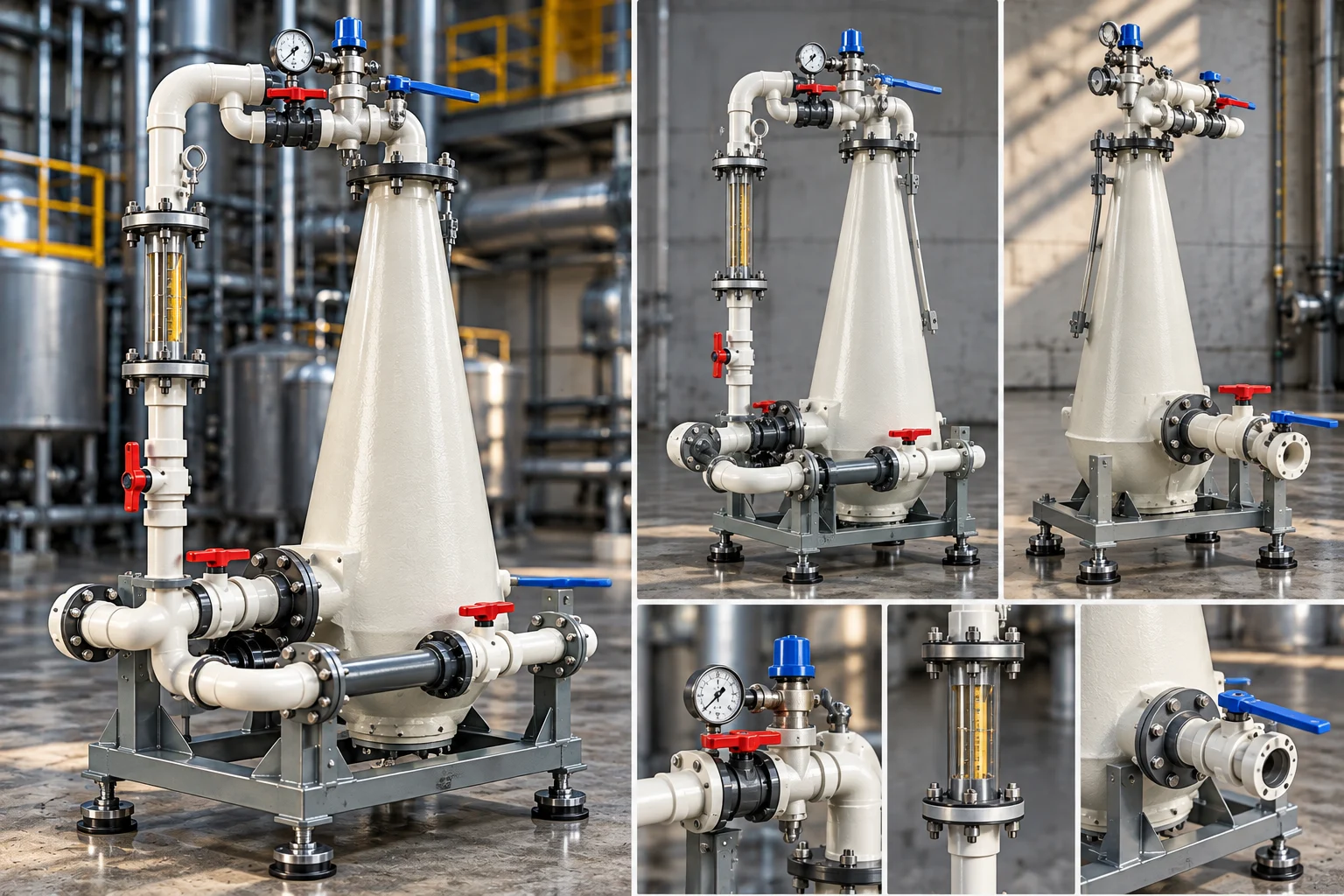
Oxygen Cones — configuration example
Oxygen Cones models and specifications
The complete catalogue does not provide a numerical oxygen-cone model schedule. No transfer percentage, fish biomass or flow capacity is inferred from photographs.
| Selection item | What the quotation must define |
|---|---|
| Peak oxygen demand | Confirm for the proposed application and selected configuration |
| Inlet and target dissolved oxygen | Confirm for the proposed application and selected configuration |
| Water flow and temperature | Confirm for the proposed application and selected configuration |
| Available operating pressure | Confirm for the proposed application and selected configuration |
| Oxygen purity and gas supply capacity | Confirm for the proposed application and selected configuration |
Configuration and supply details
Confirm materials, connection standard, dimensions, electrical requirements and included components for the selected equipment. The quotation defines the approved scope.
Optional components
- Gas metering and connection arrangement to approved scope
Options are supplied only when included in the agreed quotation.
Engineering & procurement
Select an oxygen cone for a defined gas-transfer duty
Specify the oxygen demand and available pressure before selecting a contact vessel. Water flow, pressure, inlet oxygen and gas supply all belong in the same operating duty.
Separate oxygen demand from transfer performance
Peak fish demand, biological treatment and other oxygen-consuming processes contribute to the system balance. The cone’s transfer performance must be supported at the selected water flow, pressure, gas purity and inlet dissolved oxygen.
Design for the operating range and interruptions
Review low and peak flow, gas regulation, pressure protection, isolation, alarms and a separately defined emergency oxygen arrangement. Do not assume a cone continues to meet the system demand during a pump or power failure.
| Selection item | Specify or verify | Why it changes the selection |
|---|---|---|
| Water duty | Flow, temperature, salinity, inlet DO and target DO | These conditions affect the achievable gas-transfer duty. |
| Gas supply | Oxygen purity, available flow and pressure | Generator capacity and delivered gas at the contactor are different quantities. |
| Hydraulics | Inlet/outlet pressure, pressure loss and pump duty | The contact vessel must fit the installed pump curve and pressure rating. |
| Performance evidence | Oxygen transferred (kg/h), efficiency and test conditions | A model image or tank volume does not establish transfer performance. |
How to select Oxygen Cones
Oxygen demand and measured inlet/outlet conditions are needed to establish the transfer duty.
- Peak oxygen demand
- Inlet and target dissolved oxygen
- Water flow and temperature
- Available operating pressure
- Oxygen purity and gas supply capacity
Build your oxygen cones enquiry brief
Record your design requirements for review. This tool does not calculate an unverified treatment capacity or automatically approve a model.
Oxygen Cones installation and maintenance
Installation and integration
Confirm vessel pressure limits, pump head and compatible oxygen-service components. Provide the specified monitoring and follow oxygen-system operating instructions.
Routine maintenance
Inspect seals, valves and gas connections. Maintain the installed dissolved-oxygen instrumentation and confirm stable flow before introducing oxygen.
Warranty, dispatch and installation
One-year equipment warranty
Confirm coverage and operating requirements in the quotation.
Dispatch within 15 working days
Dispatch follows order confirmation. Transport and site delivery time are additional.
Made in India
Manufactured by Pureflow Bio in India. Installation, commissioning and service across India are agreed for your project.
For complete turnkey projects, confirm the project schedule, utilities, site preparation, installation and commissioning responsibilities separately.
Request an oxygen cone quote
Share your application, preferred model and site requirements. Pureflow Bio will confirm the selected configuration and scope in your quotation.
Oxygen Cones FAQs
What is an oxygen cone?
It is a cone-shaped pressure vessel that dissolves pure oxygen into water. Water enters at the narrow top and slows as the cone widens, holding the oxygen bubbles in place until they dissolve. Almost all the oxygen ends up in the water.
Why use a cone instead of air stones or diffusers?
Diffusers lose most of their oxygen to the air, while a cone can transfer close to 100 percent of it. That makes a big difference to oxygen costs on a fish farm, and lets you stock more fish per tank.
What oxygen source works with a cone?
Any pure oxygen supply: an on-site oxygen generator (PSA), liquid oxygen or cylinders for small systems. Cones are usually fitted on a side stream pumped from the sump.
Can water leaving the cone be too high in oxygen?
Yes. Cone outflow is supersaturated by design, so it must be mixed into the main flow before it reaches the fish. We position and size the cone so the tank level stays safe.
Is it safe to run pure oxygen in the plant room?
Yes, with sensible precautions: keep oil, grease and sparks away from oxygen lines, use the right regulators and keep the room ventilated. A dissolved-oxygen alarm on the tanks protects the fish.
How big a cone do I need?
That depends on how much oxygen your fish use, which follows your feed rate, plus the flow and pressure available. Send us your biomass or daily feed and we'll size it.
Plan your complete aquaculture or aquarium system
Connect oxygen cones to the wider treatment process
Discuss equipment integration, utilities and a coordinated project scope with Pureflow Bio.