
Pureflow Bio · Manufacturer in India
Aquaculture Tanks
Aquaculture tanks provide a defined working volume and circulation space for aquatic production. Pureflow Bio manufactures polypropylene tanks in Mysuru, India for hatcheries, fish farms and custom systems.
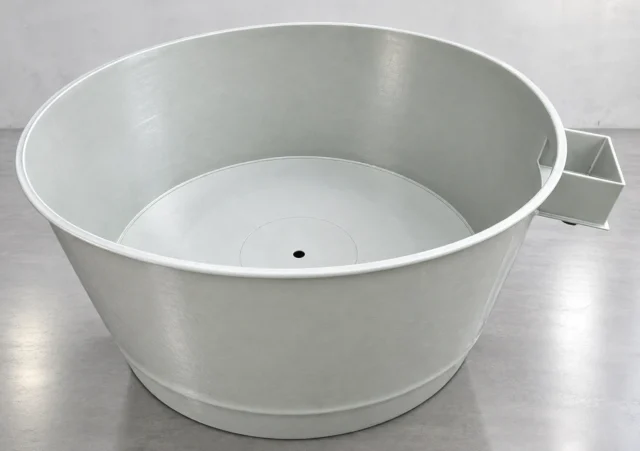
What are Aquaculture Tanks?
An aquaculture tank is a rearing, holding or process vessel whose working volume, drainage and water connections are defined for the intended aquatic application.
Aquaculture Tanks applications
Hatcheries and ornamental fish farms
Best for species-specific rearing and nursery arrangements.
RAS grow-out projects
Best for coordinating tank geometry with circulation and solids removal.
Research and quarantine facilities
Best for defined working volumes and separate operating protocols.
How Aquaculture Tanks work
Set the working volume
Choose geometry and operating water depth for the species and life stage.
Arrange circulation and drainage
Coordinate inlet flow, bottom drains and overflow routes with the treatment system.
Operate and inspect
Monitor water quality and maintain the tank, supports and fitted connections.
Aquaculture Tanks features and benefits
Polypropylene fabrication
Allows the body and connections to follow an approved drawing.
Custom drainage
Coordinates bottom drains and overflow connections with the site.
Defined working volume
Separates usable water volume from the geometric envelope.
Access options
Allows covers, net holders and observation arrangements to be discussed.
Aquaculture Tanks gallery
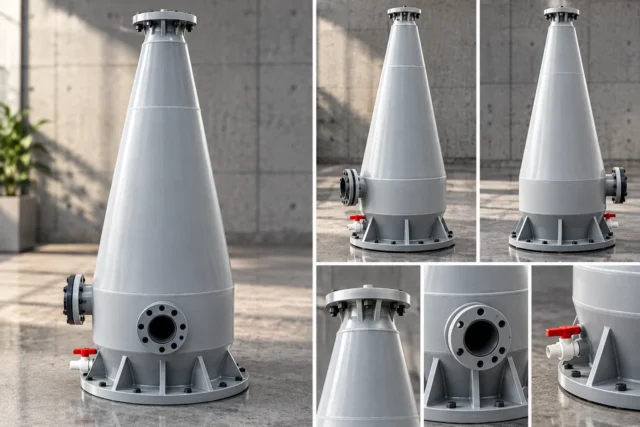
Explore equipment views and configuration examples. Images do not define the complete scope of supply or document a verified customer installation.
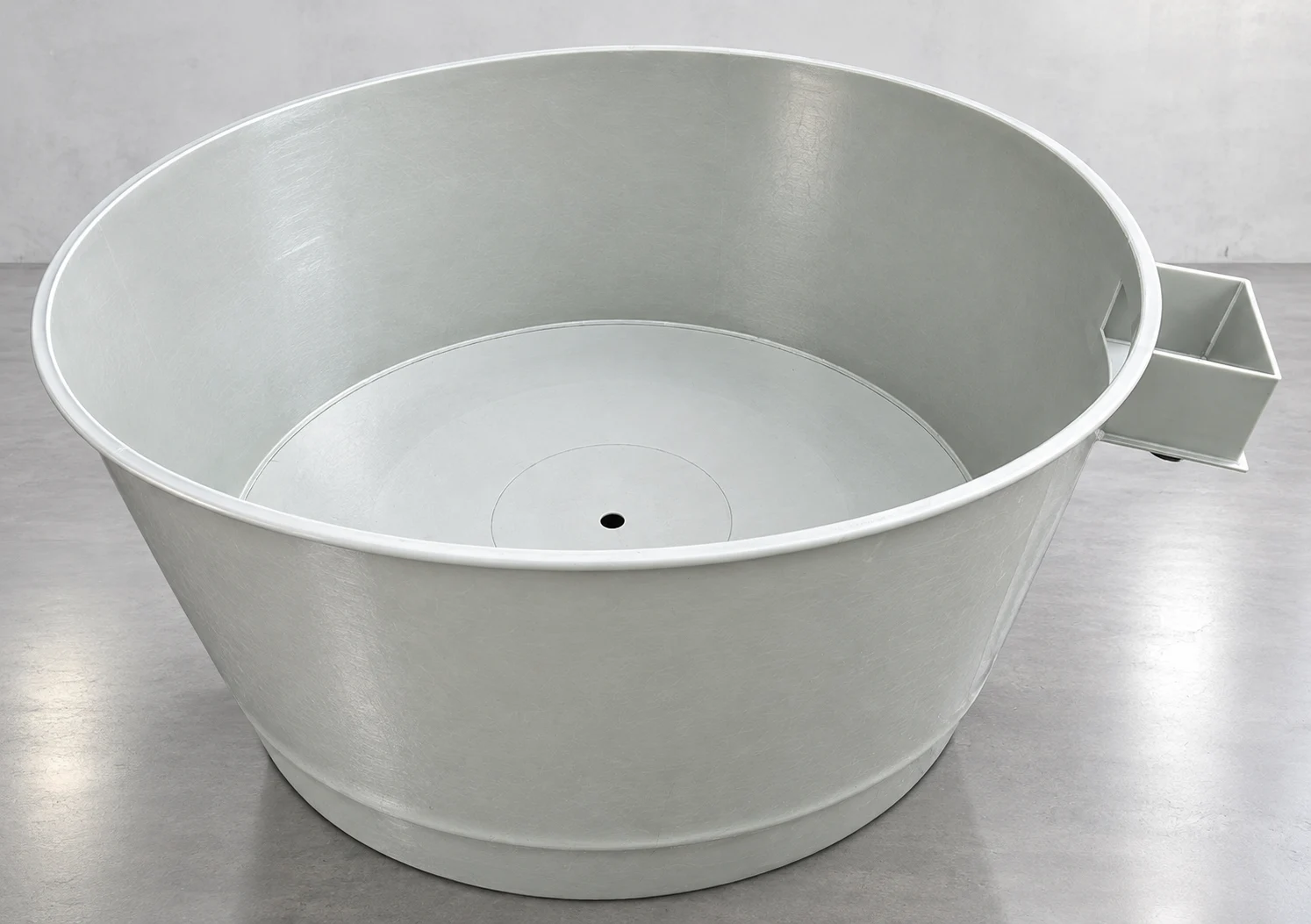
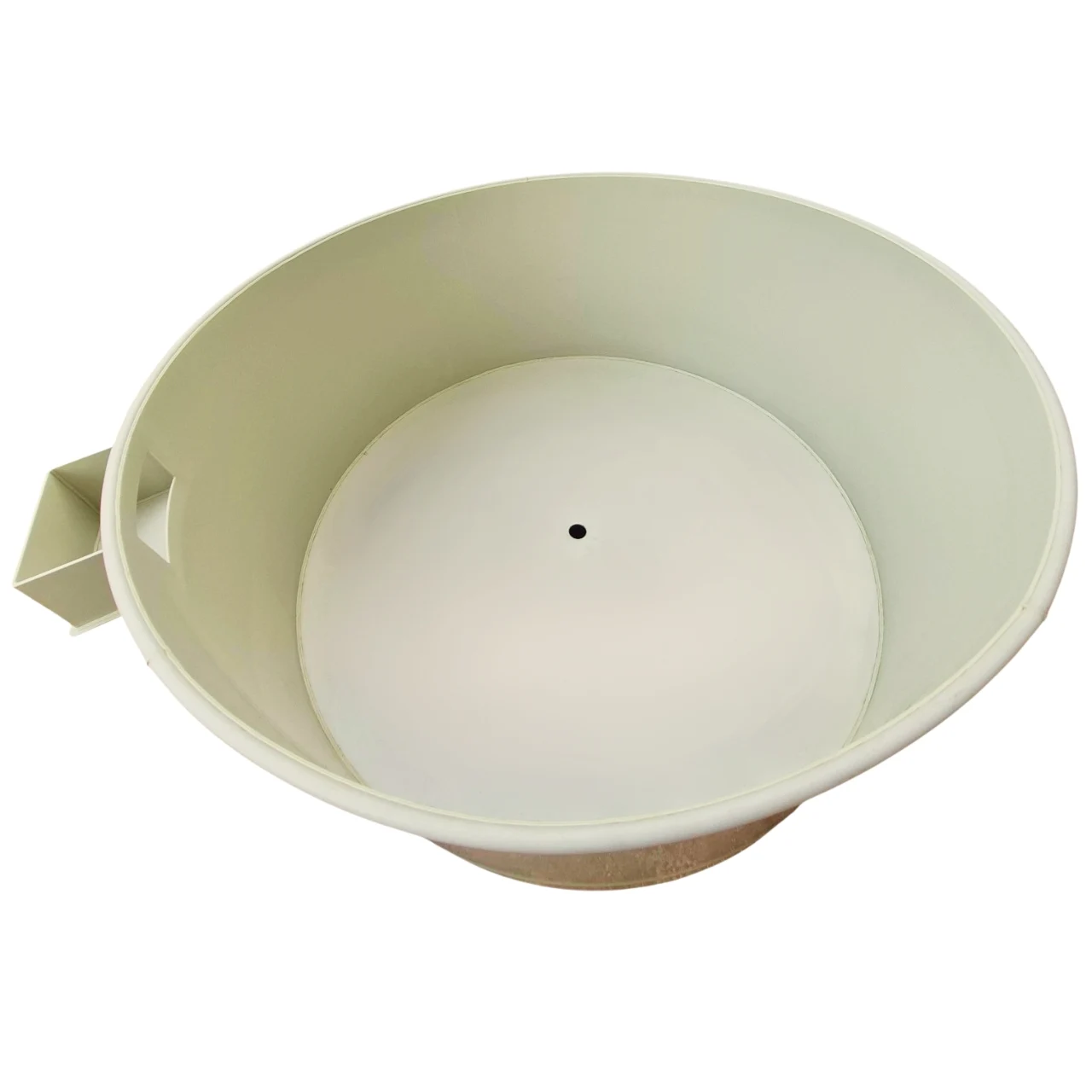
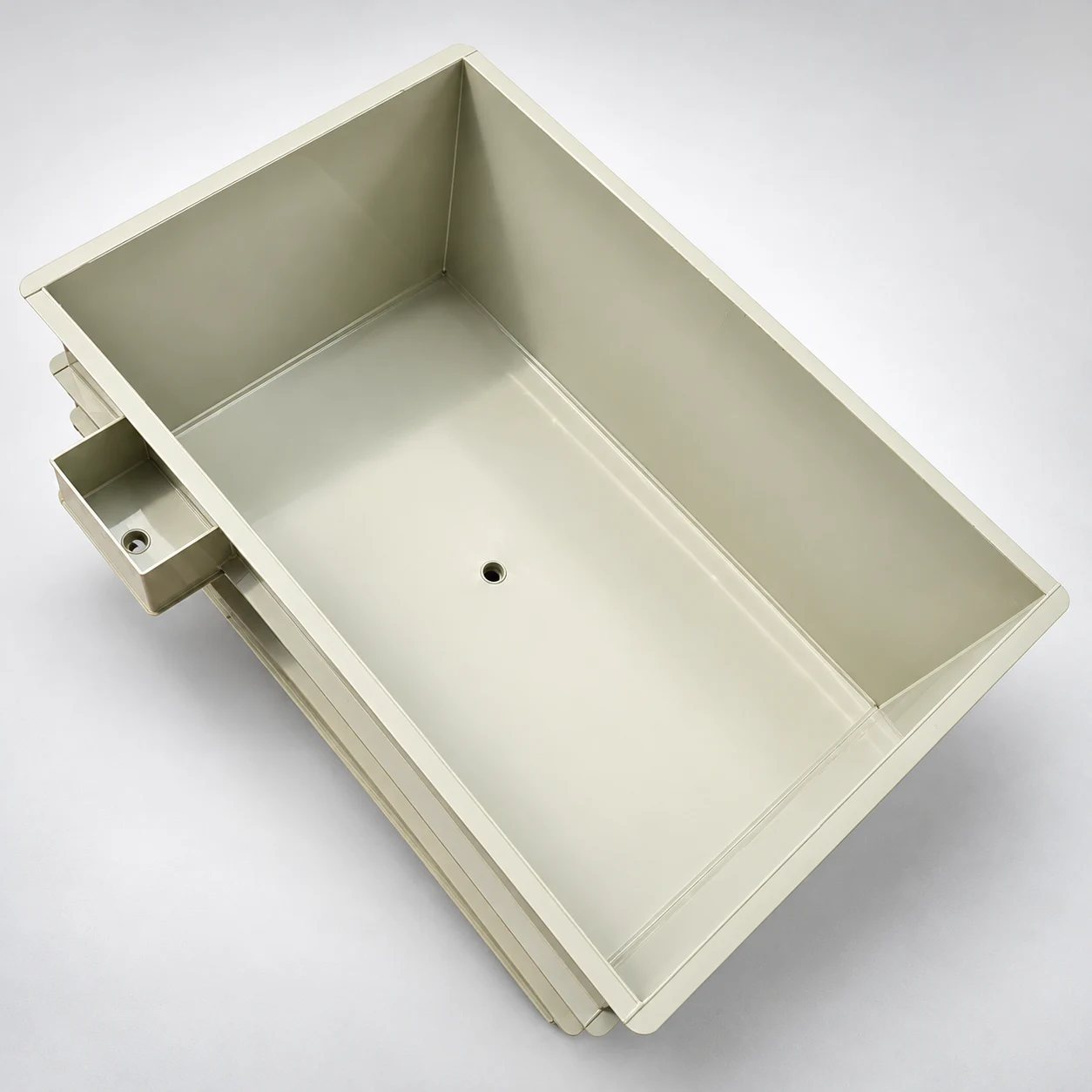
Aquaculture Tanks — assembly view
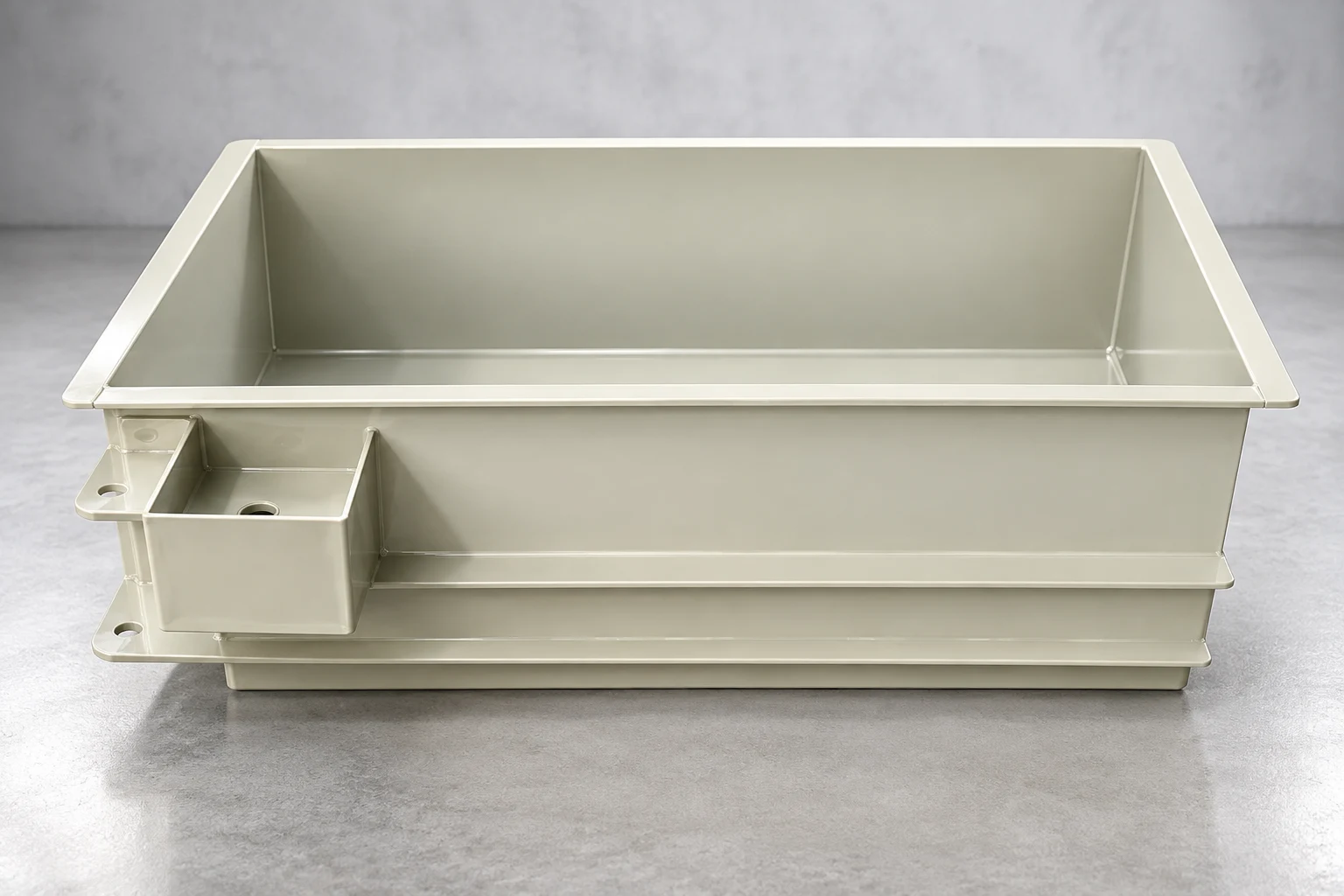
Aquaculture Tanks — configuration example
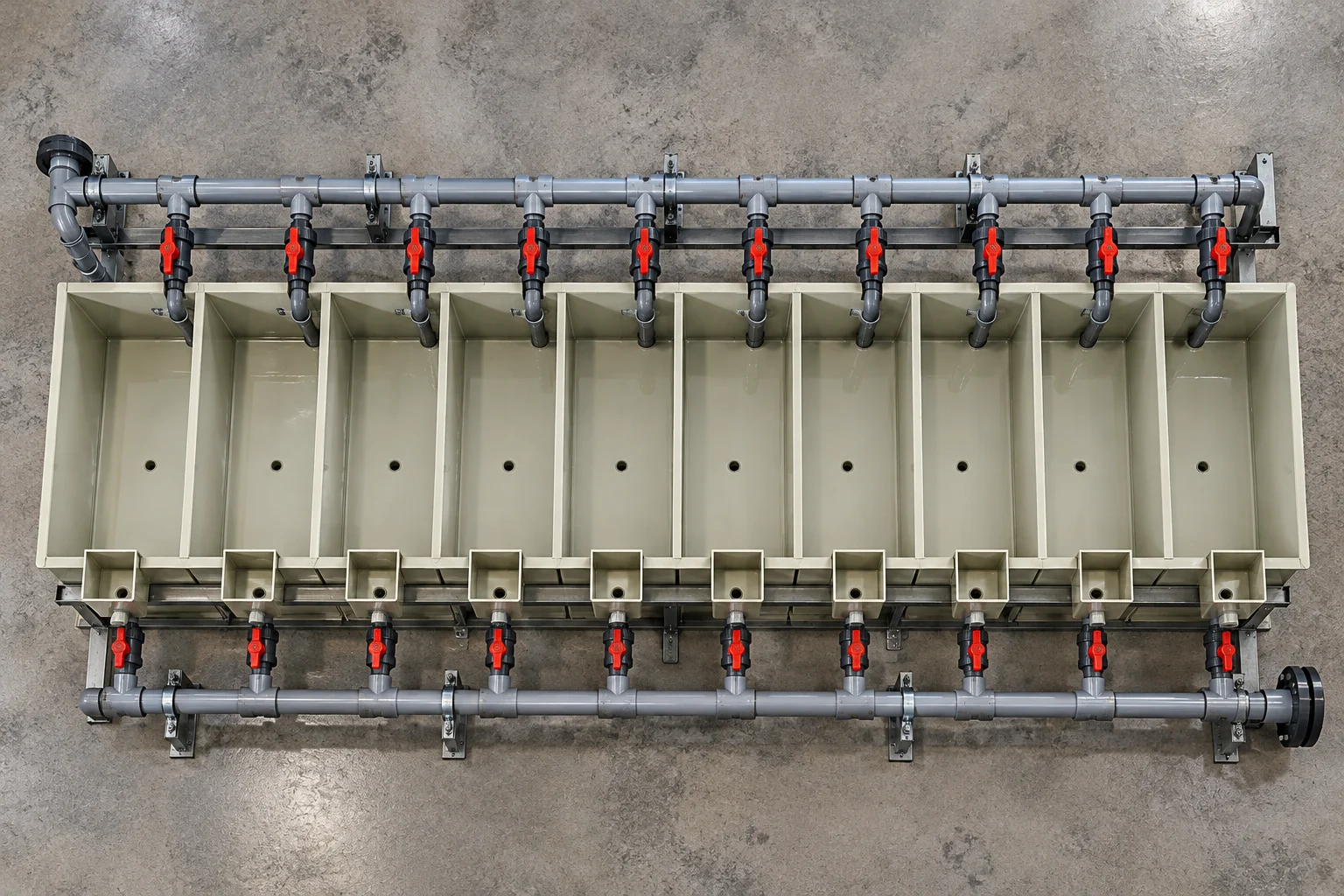
Aquaculture Tanks — equipment detail
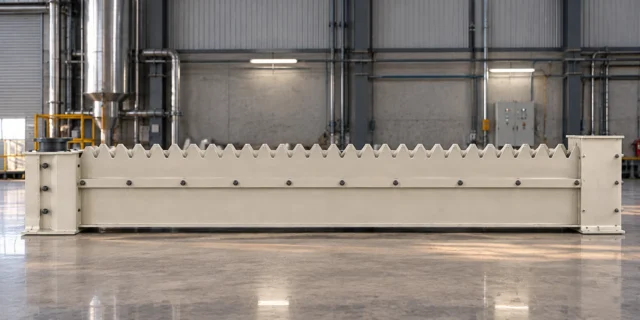
Aquaculture Tanks — layout example
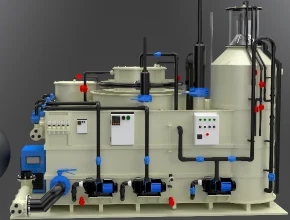
Aquaculture Tanks — connection view
Aquaculture Tanks models and specifications
PFT catalogue volume listings
| Model | Diameter value (unit needs confirmation) | Height value (unit needs confirmation) | Listed water volume (m³) | Enquiry |
|---|---|---|---|---|
| PFT-8 | 1 | 1 | 0.8 | Enquire about PFT-8 |
| PFT-18 | 1.5 | 1 | 1.8 | Enquire about PFT-18 |
| PFT-47 | 2 | 1.5 | 4.7 | Enquire about PFT-47 |
| PFT-106 | 3 | 1.5 | 10.6 | Enquire about PFT-106 |
| PFT-141 | 3 | 2 | 14.1 | Enquire about PFT-141 |
| PFT-251 | 4 | 2 | 25.1 | Enquire about PFT-251 |
| PFT-589 | 5 | 3 | 58.9 | Enquire about PFT-589 |
Configuration and supply details
Confirm materials, connection standard, dimensions, electrical requirements and included components for the selected equipment. The quotation defines current pricing and the approved scope.
Optional components
- Viewing windows
- Covers
- Net holders
- Bottom and overflow drains
- Custom pipe connections
Options are supplied only when included in the agreed quotation.
How to select Aquaculture Tanks
Working water volume is below the geometric tank volume when operating freeboard is allowed.
Selection example
PFT-106 has a listed water volume of 10.6 m³. At a project-defined circulation rate of once per hour, the arithmetic flow is 10.6 ÷ 1 = 10.6 m³/h. This example does not prescribe turnover, stocking density or treatment capacity.
- Species and production stage
- Working water volume and freeboard
- Tank diameter or length and width
- Water depth, supports and floor loading
- Inlet, bottom drain and overflow layout
Build your aquaculture tanks enquiry brief
Record your design requirements for review. This tool does not calculate an unverified treatment capacity or automatically approve a model.
Aquaculture Tanks installation and maintenance
Installation and integration
Use a suitable support surface and verify floor loading and access before filling. Follow the approved drawing for pipe loads, anchors and drainage connections.
Routine maintenance
Inspect welds, supports and fittings during routine servicing. Use cleaning methods compatible with the supplied tank material and the facility’s hygiene protocol.
Warranty, dispatch and installation
One-year equipment warranty
Confirm coverage and operating requirements in the quotation.
Dispatch within 15 working days
Dispatch follows order confirmation. Transport and site delivery time are additional.
Made in India
Manufactured by Pureflow Bio in Mysuru, Karnataka. Installation, commissioning and service across India are agreed for your project.
For complete turnkey projects, confirm the project schedule, utilities, site preparation, installation and commissioning responsibilities separately.
Request a Aquaculture Tanks quote
Share your application, preferred model and site requirements. Pureflow Bio will confirm the selected configuration and scope in your quotation.
Aquaculture Tanks FAQs
Which tank material is best for fish farming: PP, FRP, HDPE or concrete?
Each has its place. PP (polypropylene) tanks are welded, chemically inert, food-safe and easy to modify on site. FRP is strong and smooth but harder to repair neatly. HDPE is tough and cheap in standard sizes. Concrete is economical for very large permanent tanks, but needs a good coating to stay leak-free and hygienic.
Why are most RAS tanks round?
Water spinning in a round tank carries waste to a central drain, so the tank largely cleans itself. Fish also swim evenly against the current, which is better for their muscle tone and health. Rectangular tanks pack more volume per floor area but need more cleaning.
What is a dual-drain tank?
It has a centre bottom drain that carries the heavy, concentrated waste, and a side or upper outlet that takes most of the cleaner flow. This sends solids to the drum filter efficiently without pushing your whole flow through the bottom drain.
Can PP tanks be used outdoors in Indian sun?
Yes, as long as the material is UV-stabilised and the tank is shaded where possible. Shade also helps keep water temperature down in summer, which fish appreciate.
Can you make tanks to a custom size?
Yes. Tanks are made to the diameter, depth and connections your system needs. Tell us the working volume, floor space, drain arrangement and species, and we'll confirm the drawing in your quotation.
What depth should a fish farming tank be?
It depends on the species and tank diameter, but many RAS grow-out tanks have a diameter several times their depth so the self-cleaning flow works well. Hatchery and nursery tanks are usually shallower for easier handling.
Plan your complete aquaculture or aquarium system
Connect aquaculture tanks to the wider treatment process
Discuss equipment integration, utilities and a coordinated project scope with Pureflow Bio.