
Pureflow Bio · Manufacturer in India
Custom Acrylic Tanks and Aquariums
Custom acrylic aquarium tanks from Pureflow Bio are made to a project-specific brief in India. Discuss the shape, water depth, viewing requirements and site access with our manufacturer and integration team before approving fabrication.
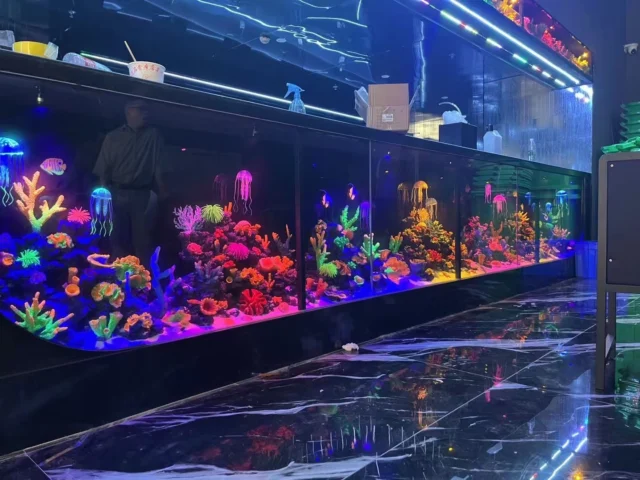
What are custom acrylic tanks and aquariums?
Custom acrylic aquarium tanks are fabricated viewing vessels whose panel geometry, joints, supports and water-treatment connections are designed for a particular exhibit.
Custom Acrylic Aquarium Tanks applications
Public aquariums and oceanariums
Best for engineered viewing tanks and special display geometries.
Hospitality and private displays
Best for installations with planned building access and operator support.
Research centres and laboratories
Best for defined observation, water chemistry and cleaning requirements.
How Custom Acrylic Aquarium Tanks projects work
Define the vessel
First, provide the geometry, operating water level, viewing arrangement and species plan.
Review the engineering
Next, confirm acrylic material, joints, supports and equipment connections.
Fabricate and install
Then, follow the approved drawing and agreed inspection and water-testing procedure.
Custom Acrylic Aquarium Tanks features and benefits
Custom viewing geometry
Discuss cylinders, curved panels and other shapes subject to engineering review.
Documented material selection
Confirm grade, thickness and supplier documentation before manufacture.
Coordinated connections
Position drains, overflows and treatment returns for the approved process layout.
Installation planning
Resolve lifting, delivery routes and on-site assembly before dispatch.
Acrylic aquarium design and shapes
Acrylic can be formed and bonded into more than a plain rectangular box. Tell us what people should see, and the panel geometry, supports and connections are worked out from that.
Long and wall-set tanks
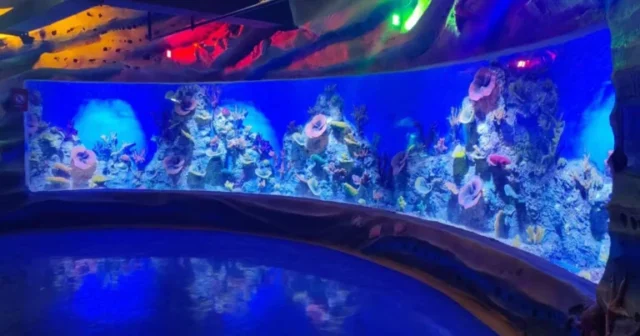
Wide viewing panels set into a wall, bar or display area, with the water level, lighting position and cleaning access agreed in the drawing.
Cylinders and columns
Round and column tanks viewed from all sides, subject to engineering review of height, diameter and the base or ceiling support.
Curved and corner panels
Curved fronts and corner views, subject to engineering review of the panel shape and joints.
Walk-through viewing
For tunnel and walk-through displays, see our tunnel aquarium page.
There is no fixed shape list. Send a drawing or sketch, photographs, the water depth and the site, and the quotation will confirm what is practical.
Acrylic material and construction
Acrylic aquarium panels are made from sheet acrylic, usually cast or extruded. The choice affects clarity, thickness tolerance and how the sheet is bonded, so it should be stated in the quotation and not assumed.
Cast acrylic
Generally chosen where optical clarity, surface quality and solvent resistance matter most, such as large viewing panels. Cast sheet is made to a nominal thickness, with a wider tolerance than extruded sheet.
Extruded acrylic
More consistent in thickness and bonds readily with solvent cements. Its optical quality is lower than cast sheet, so it suits applications where those trade-offs are acceptable.
Bonding and joints
Panels are joined with bonded joints designed for the water load. Joint design, supports and the water-test procedure are reviewed in the approved drawing before fabrication.
How thickness is set
Thickness depends on the water depth, panel span, shape and the safety factor in the engineering design. Online thickness charts give only a rough idea; the approved drawing sets the final value.
Custom Acrylic Aquarium Tanks gallery
Explore equipment views and configuration examples. Images do not define the complete scope of supply or document a verified customer installation.

Acrylic tank configuration 1

Acrylic tank configuration 2

Acrylic tank configuration 3
Project videos
Custom Acrylic Aquarium Tanks project specifications
This is a project-specific configuration. Project dimensions, materials and engineering interfaces are agreed in the approved drawings. Confirm the current drawing, component datasheets and duty in your quotation.
| Selection item | What the quotation must define |
|---|---|
| Internal dimensions, shape and water depth | Confirm for the proposed application and selected configuration |
| Acrylic grade, optical requirements and thickness | Confirm for the proposed application and selected configuration |
| Bonding details and engineered supports | Confirm for the proposed application and selected configuration |
| Freshwater or marine environment | Confirm for the proposed application and selected configuration |
| Drain, overflow and filtration interfaces | Confirm for the proposed application and selected configuration |
| Delivery route and installation access | Confirm for the proposed application and selected configuration |
Configuration and supply details
Confirm materials, connection standard, dimensions, electrical requirements and included components for the selected equipment. The quotation defines the approved scope.
Engineering & procurement
From acrylic tank concept to an approved fabrication drawing
A custom acrylic aquarium needs a defined geometry, support arrangement and loading basis. A photograph or nominal water volume is insufficient for selecting panel thickness or approving a support structure.
Define the viewing and structural interfaces
Supply the internal dimensions, water depth, viewing spans, openings and proposed supports. Review bonding details, penetrations, overflow routes and tolerances with the fabrication and structural design team.
Plan delivery before finalising the shape
Check access doors, transport and lifting routes, assembly space, edge protection and final positioning. Agree the protection, cleaning method and access needed to inspect viewing surfaces and joints during operation.
| Selection item | Specify or verify | Why it changes the selection |
|---|---|---|
| Design basis | Geometry, maximum water level, supports and operating environment | These define the loads and boundary conditions for the approved design. |
| Acrylic and fabrication | Material specification, panel schedule, joints and inspection requirements | Thickness and bonding details need engineering approval. |
| Hydraulic interfaces | Inlets, drains, overflows, penetrations and LSS connections | Connections should be coordinated before fabrication. |
| Acceptance and handover | Agreed inspection, water test, care instructions and installation responsibilities | Specify acceptance conditions and responsibilities in the project scope. |
Plan the tank alongside the aquarium life support system.
Discuss the technical requirements →How to choose a custom acrylic tank
There is no universal acrylic thickness or maximum tank size on this page. The full water load, material documentation and structural design need approval for each project.
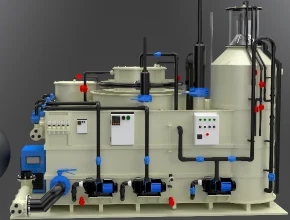
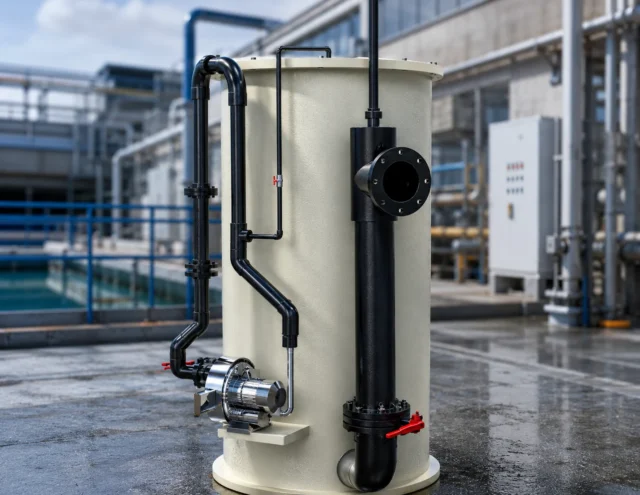
Acrylic tanks need matching life support. Pair them with freshwater or saltwater protein skimmers, UV disinfection and an automatic rotary drum filter.
- Internal dimensions, shape and water depth
- Acrylic grade, optical requirements and thickness
- Bonding details and engineered supports
- Freshwater or marine environment
- Drain, overflow and filtration interfaces
- Delivery route and installation access
Build your custom acrylic aquarium tanks enquiry brief
Record your design requirements for review. This tool does not calculate an unverified treatment capacity or automatically approve a model.
Custom Acrylic Aquarium Tanks installation and maintenance
Installation and integration
Verify floor loading, support tolerances, delivery routes and lifting arrangements. Agree tank assembly, structural review, testing and life support connection responsibilities.
Routine maintenance
Follow the supplied acrylic cleaning instructions. Avoid unapproved abrasives or solvents; ask for an assessment before polishing scratches or repairing joints.
Warranty, dispatch and installation
One-year equipment warranty
Confirm coverage and operating requirements in the quotation.
Project schedule
Design, fabrication, installation and commissioning dates are agreed for your project. The equipment-only dispatch term does not define the complete project schedule.
Made in India
Made in India by Pureflow Bio. Installation, commissioning and service across India are agreed for your project.
For complete turnkey projects, confirm the project schedule, utilities, site preparation, installation and commissioning responsibilities separately.
Request a Custom Acrylic Aquarium Tanks quote
Share your application, preferred model and site requirements. Pureflow Bio will confirm the selected configuration and scope in your quotation.
Custom Acrylic Aquarium Tanks FAQs
Why choose acrylic over glass?
Acrylic is lighter, much stronger against impact and can be made in large sizes, curves and shapes such as cylinders, domes and bow fronts. Thick acrylic also stays very clear, while thick glass can look green.
Does acrylic scratch easily?
It scratches more easily than glass, so clean it with soft, acrylic-safe tools. The good news is that most scratches can be polished out, which you can't do with glass.
Will an acrylic tank turn yellow?
Good aquarium-grade acrylic is UV-stabilised and stays clear for many years, especially away from strong direct sunlight.
How thick does the acrylic need to be?
It depends on water depth, panel size and shape. Taller and wider panels need thicker acrylic. We calculate the thickness for each tank rather than using a rule of thumb.
Can you build any shape or size?
Most shapes are possible, including rectangular, cylinders, curved fronts, walk-around and through-wall tanks. Very large panels need planning for transport and site access, so tell us about the installation location early.
Do you install the tank as well?
Yes, design and installation support can be included in the scope. Tell us early about the stand or support structure and the life support connections, so everything is planned together.
Plan your complete aquaculture or aquarium system
Connect custom acrylic aquarium tanks to the wider treatment process
Discuss equipment integration, utilities and a coordinated project scope with Pureflow Bio.