
Pureflow Bio · Manufacturer in India
Ozone Generators
Ozone generators produce ozone gas for a separately engineered treatment process. Pureflow Bio supplies ozone generation equipment from India for aquaculture and water-treatment installations.
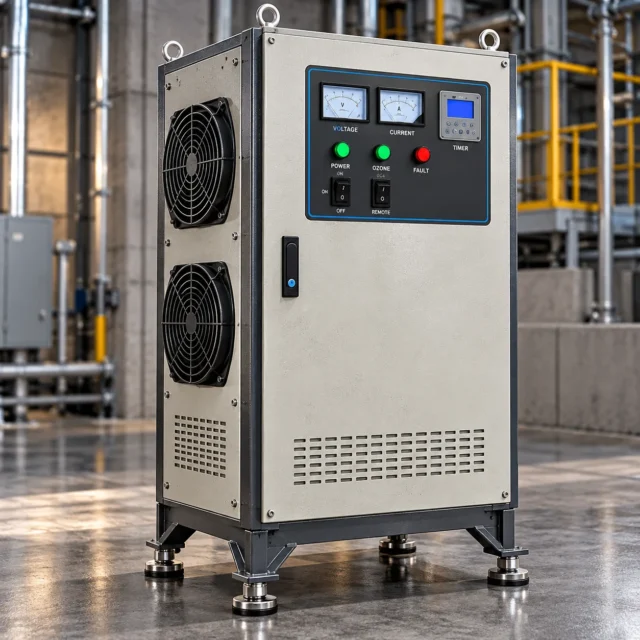
What are Ozone Generators?
An ozone generator produces ozone gas from a specified feed gas for controlled use within a separately designed water-treatment process.
Ozone Generators applications
RAS and hatchery treatment loops
Best for a designed ozone process with controlled return-water conditions.
Public aquariums and oceanariums
Best for a monitored treatment loop separated from livestock exposure.
Water-treatment projects
Best for defined gas output and a complete contact and off-gas design.
How Ozone Generators work
Prepare the feed gas
Supply the specified dry air or oxygen to the selected generator.
Generate and control ozone
Run the equipment within the approved output, cooling and electrical conditions.
Transfer and monitor
Deliver gas to the engineered contact stage and monitor residuals, off-gas and the surrounding space.
Ozone Generators features and benefits
Selectable output range
Allows the generation duty to be specified for the process.
Integrated control panel
Brings the supplied operating controls to a defined interface.
Cooling arrangement
Matches heat removal to the selected equipment.
Monitoring integration
Supports the agreed start/stop and alarm strategy.
Ozone for public aquariums and aquaculture
An ozone generator makes ozone gas. It does not treat water until the gas is contacted with water, monitored and the leftover gas removed. The PFO range is designed to sit inside that complete loop.
Public aquariums and oceanariums
Large life-support systems usually apply ozone to part of the circulating flow, contact it with the water, check the residual or ORP, and remove ozone from the off-gas before water returns to the animals. See our ozone contact chambers and ozone destruct units.
Hatcheries, fish farms and shrimp farms
Recirculating systems use ozone as one part of a treatment design. The treatment objective, salinity, organic load, contact time and residual control are defined for the site, not read from the generator rating.
Looking for an oxygen generator?
This page covers ozone generators. Oxygen cones dissolve oxygen into culture water but are not oxygen generators. Ask us about oxygen supply for your site.
Send the water volume, turnover, species and system type, and the quotation will confirm what generator, contact and control equipment the project needs.
Ozone Generators gallery
Explore equipment views and configuration examples. Images do not define the complete scope of supply or document a verified customer installation.
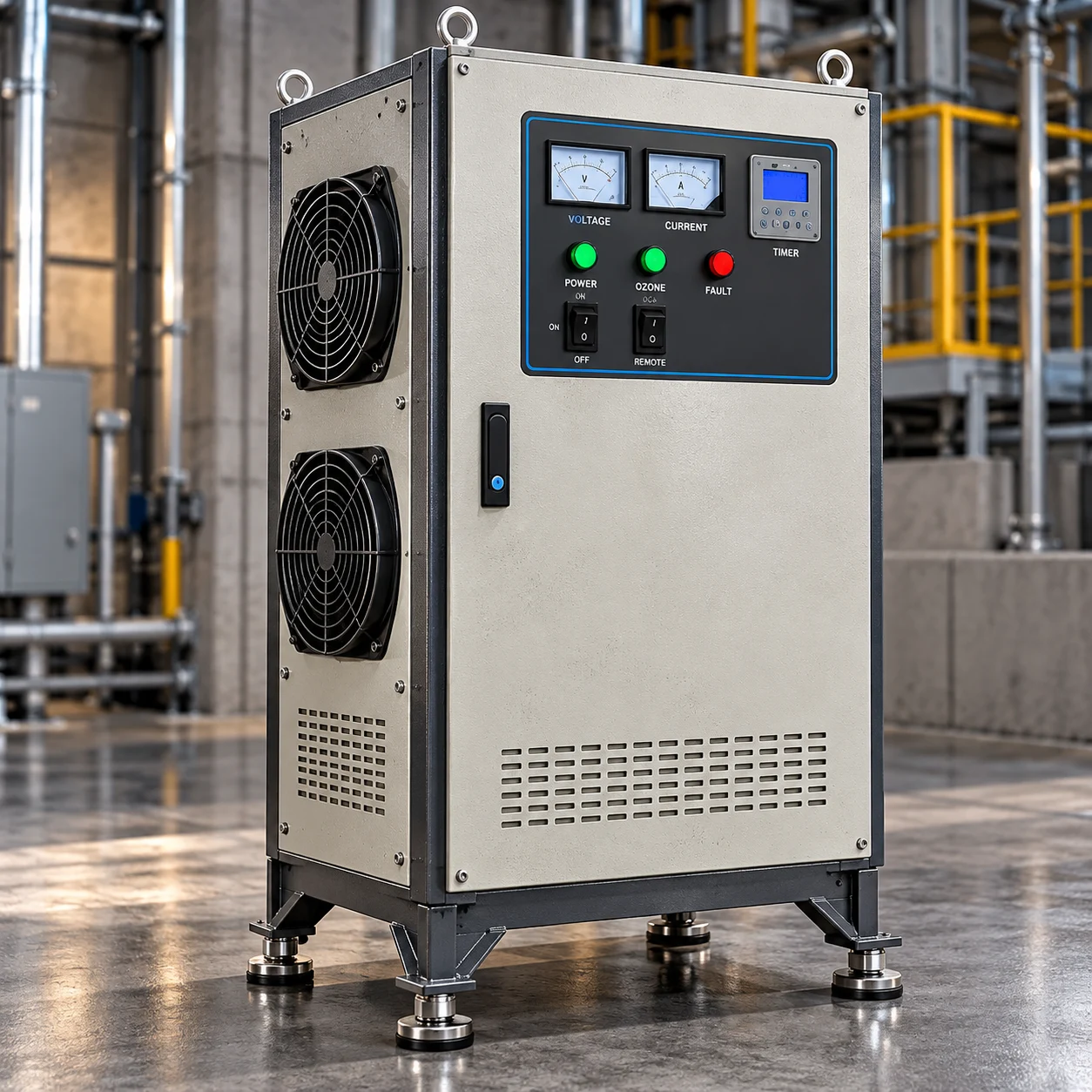
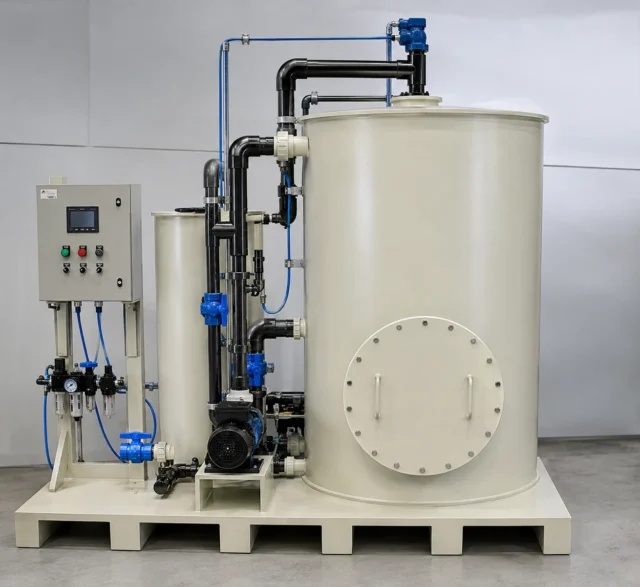
Ozone Generators — assembly view
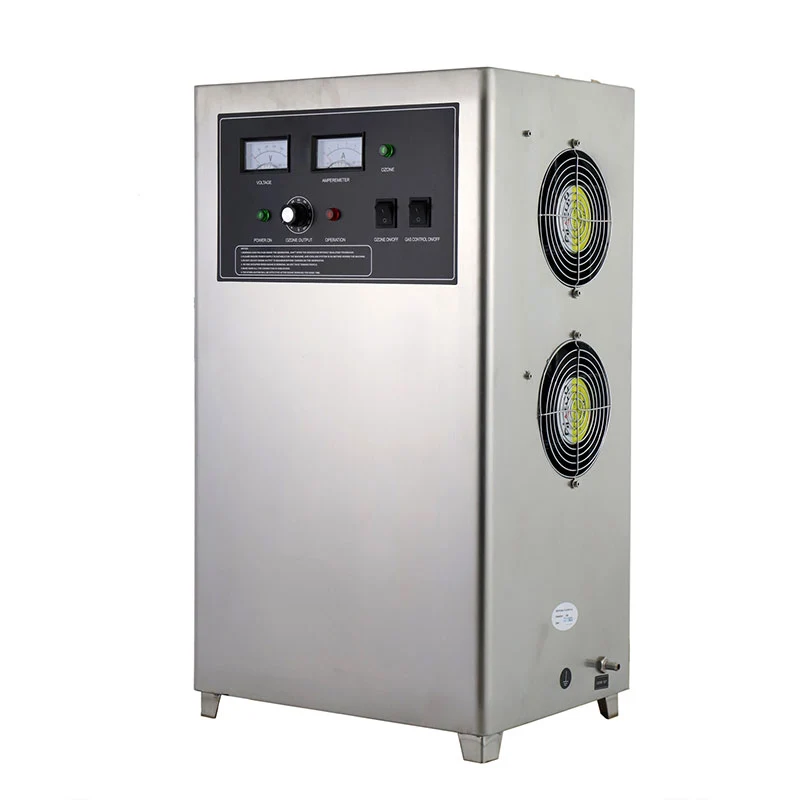
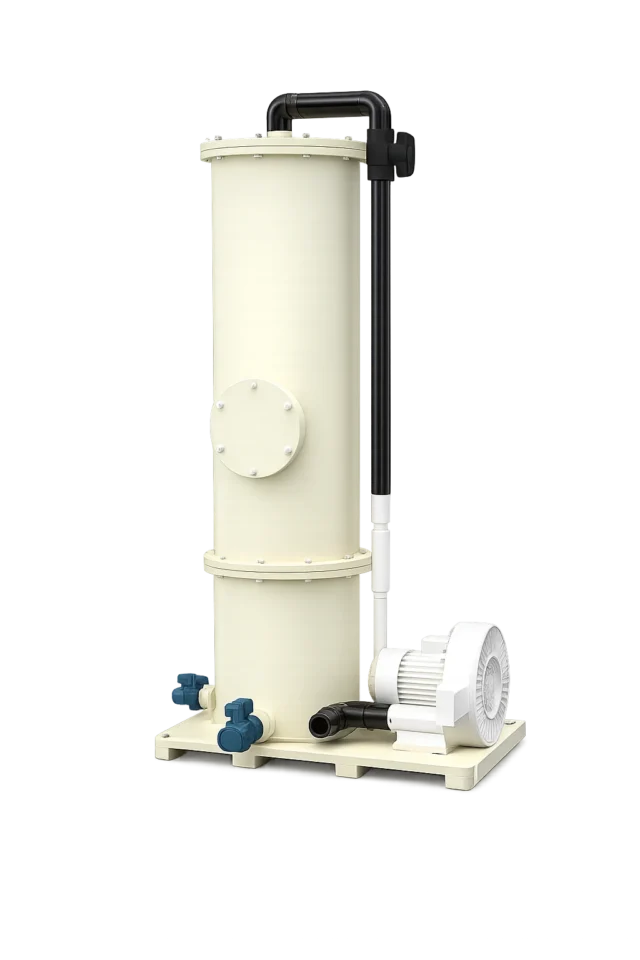
Ozone Generators — configuration example
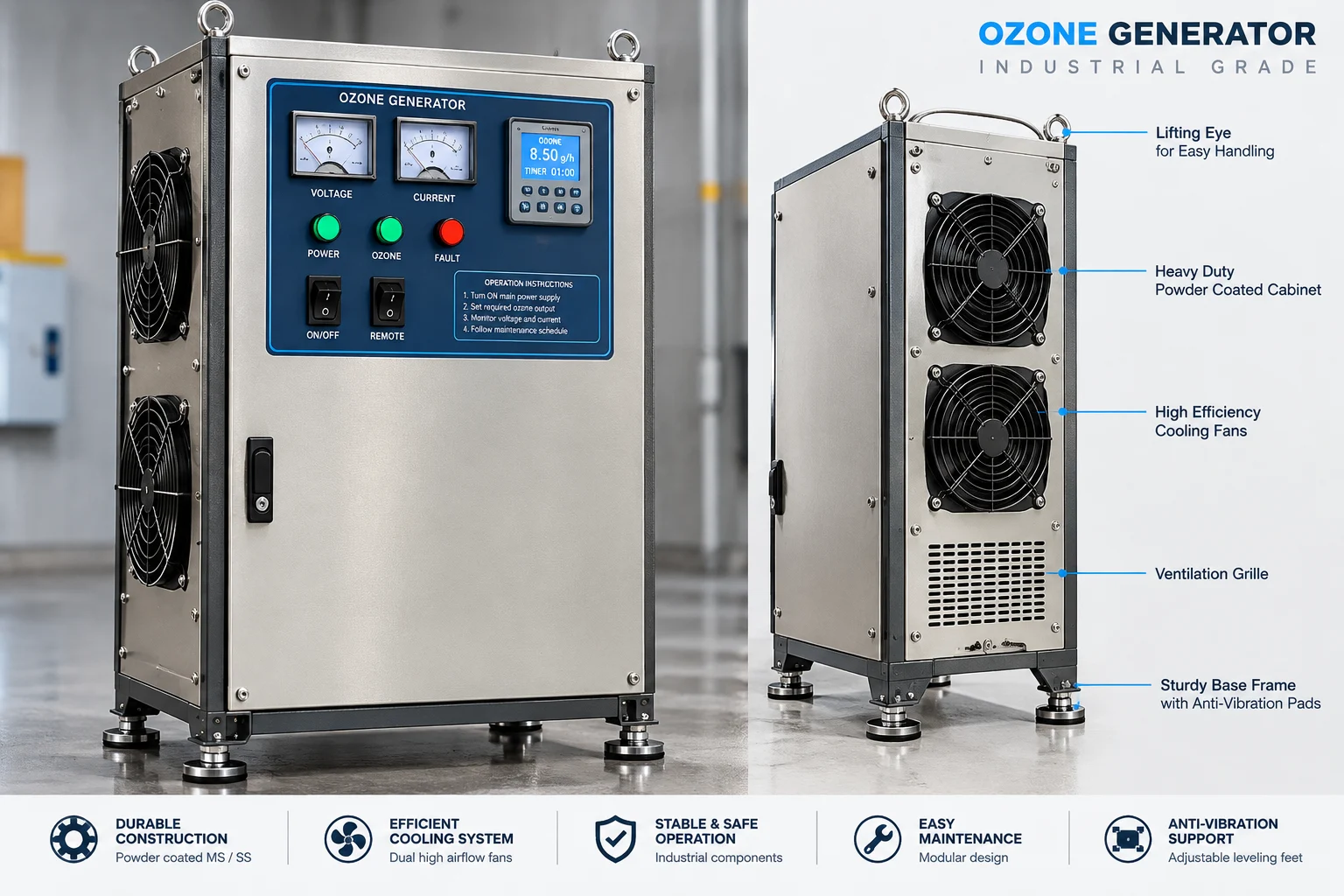
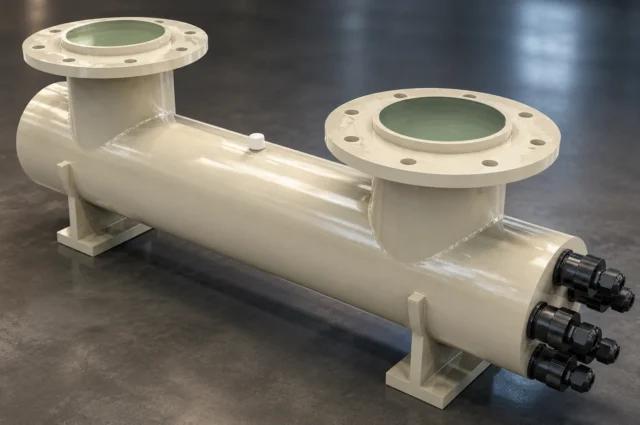
Ozone Generators — equipment detail
Ozone Generators models and specifications
PFO catalogue series
| Model | Output listed (G; confirm g/h) | Rated power (W) | Equipment size (cm) | Cooling | Supply (V / Hz) | Net / gross mass (kg) | Enquiry |
|---|---|---|---|---|---|---|---|
| PFO-15G | 15 | 280 | 40 × 30 × 62 | Air | 220 / 50 | 14.2 / 16.4 | Enquire about PFO-15G |
| PFO-20G | 20 | 320 | 40 × 30 × 62 | Air | 220 / 50 | 15 / 17.1 | Enquire about PFO-20G |
| PFO-30G | 30 | 380 | 40 × 30 × 72 | Water | 220 / 50 | 16.4 / 28 | Enquire about PFO-30G |
| PFO-50G | 50 | 680 | 50 × 40 × 91 | Water | 220 / 50 | 39 / 50 | Enquire about PFO-50G |
| PFO-100G | 100 | 1200 | 50 × 40 × 123 — confirm cm | Water | 220 / 50 | 44 / 66 | Enquire about PFO-100G |
Configuration and supply details
Confirm materials, connection standard, dimensions, electrical requirements and included components for the selected equipment. The quotation defines the approved scope.
Optional components
- Oxygen preparation
- PLC controls
- ORP or ozone sensing
- Ambient ozone sensing
- Air dryer and oil-free compressor where specified
Options are supplied only when included in the agreed quotation.
Engineering & procurement
Specify ozone output and the complete treatment loop
An ozone generator supplies gas to an engineered process. It should not be selected from aquarium volume or water flow alone. Confirm the catalogue’s output units before treating a model code as a rated g/h value.
- Condition the feed gas
- Generate & meter ozone
- Controlled contact loop
- Manage gas & water residuals
Generation conditions determine the rating
Document feed-gas type, purity, dryness, pressure, ozone concentration and cooling conditions with the stated mass output. A gas concentration without its reference basis is insufficient for equipment comparison.
The generator is one part of the installation
Review gas preparation, injection, contact treatment, off-gas destruction, residual management, ventilation and monitoring together. ORP is a process signal; it is not a universal substitute for measuring ozone or all oxidant residuals.
| Selection item | Specify or verify | Why it changes the selection |
|---|---|---|
| Gas production | Confirmed g/h, gas concentration and reference conditions | The same generator may have different output under different feed-gas conditions. |
| Process demand | Treatment objective, water chemistry and required oxidant demand | Generator mass output does not directly establish safe treatment flow. |
| Control and return water | Residual measurement, alarm limits, shutdown sequence and return-water criteria | Protect livestock and operators through the agreed engineered controls. |
| Electrical and cooling | Generator, oxygen/air preparation, cooling and auxiliary loads | The generator W listing is not the complete installed electrical demand. |
Coordinate contact chambers and off-gas destruct equipment in the same process review.
Discuss the technical requirements →How to select Ozone Generators
Ozone output cannot be converted into an aquaculture water-flow rating without an engineered treatment and residual-control design.
Selection example
PFO-30G lists 380 W, or 0.38 kW. At that rated input for one hour, generator energy is 0.38 kWh; this excludes cooling and other equipment and does not determine a safe ozone dose.
- Required ozone mass output
- Feed-gas purity, pressure and dryness
- Target gas concentration
- Contact and residual-removal duty
- Ventilation, alarms and interlocks
Build your ozone generators enquiry brief
Record your design requirements for review. This tool does not calculate an unverified treatment capacity or automatically approve a model.
Ozone Generators installation and maintenance
Installation and integration
Use a complete ozone-system design covering compatible materials, contact treatment, off-gas destruction, ventilation and monitoring. Agree commissioning checks before introduction to a live aquatic system.
Routine maintenance
Inspect gas preparation, cooling, connections and the supplied sensors. Isolate equipment and follow the manufacturer’s ozone handling and servicing procedures.
Warranty, dispatch and installation
One-year equipment warranty
Confirm coverage and operating requirements in the quotation.
Dispatch within 15 working days
Dispatch follows order confirmation. Transport and site delivery time are additional.
Made in India
Manufactured by Pureflow Bio in India. Installation, commissioning and service across India are agreed for your project.
For complete turnkey projects, confirm the project schedule, utilities, site preparation, installation and commissioning responsibilities separately.
Request an ozone generator quote
Share your application, preferred model and site requirements. Pureflow Bio will confirm the selected configuration and scope in your quotation.
Ozone Generators FAQs
Why use ozone in aquaculture or an aquarium?
Ozone does several jobs at once. It breaks down the dissolved organics that turn water yellow, clumps fine particles so filters and skimmers can catch them, converts nitrite to nitrate and cuts down bacteria and parasites. The result is clearer water and less load on the biofilter.
How much ozone do I need?
A common starting point in fish farming is about 10 to 25 grams of ozone per kilogram of feed per day, depending on how much organic load you need to treat. Public aquariums usually dose to a target ORP instead. We size the generator around your feed rate or your display volume.
What ORP should I aim for?
Many freshwater RAS run at around 300 mV, and marine displays often sit between about 300 and 350 mV. Stay below the level where ozone residual can reach the fish, and use an ORP controller to switch the generator automatically.
Is ozone dangerous?
It can be, for fish and for people, so it has to be designed in properly. Ozone should only meet water inside a contact chamber or skimmer, never in the fish tank, and residual ozone is removed before water returns. In the plant room, an ambient ozone monitor and good ventilation keep staff safe.
Should I feed the generator with air or oxygen?
Oxygen-fed generators produce much more ozone at higher concentration than air-fed ones, which matters on larger farms. Air-fed units are simpler for small systems. If you already use oxygen for your fish, feeding the generator from the same supply makes sense.
What else do I need besides the generator?
A way to dissolve the ozone (a contact chamber or protein skimmer), an ORP controller, an off-gas destruct unit for any leftover ozone gas and a monitor in the room. We can supply the generator as part of that complete arrangement.
Plan your complete aquaculture or aquarium system
Connect ozone generators to the wider treatment process
Discuss equipment integration, utilities and a coordinated project scope with Pureflow Bio.