
UV Lamp Sizing and DoseHow to Pick the Right UV Unit
How to size a UV unit from flow, volume and the job it must do, plus how lamp ageing, water clarity and temperature change the result.
 EQUIPMENT REFERENCE
See the mechanism.
Understand the duty.
Select a route or a stage to inspect the process. The cutaway explains the equipment and water environment; it is a teaching illustration, not a project drawing.
Pre-filter
Define the treatment objective and actual reactor flow.
Control particles and confirm UV transmittance before assessing reactor performance.
- Define the treatment objective and actual reactor flow.
- Use UVT and validated reactor performance.
- Follow the enclosed reactor’s isolation, lamp and sleeve procedures.
Key takeaways
- The three inputs: Lamp power, flow through the chamber and the clarity of the water.
- Start from the job: Algae control needs less dose than killing bacteria or parasites.
- Match it to your flow: Use the flow your pump really delivers after the filter, not the pump label.
- Water clarity: Particles and low UV transmittance can reduce the exposure delivered within a UV reactor.
The three inputs
Lamp power, flow through the chamber and the clarity of the water. Powerful lamp, slow flow and clear water mean a high dose. Weak lamp, fast flow and cloudy water mean a low one.

Start from the job
Algae control needs less dose than killing bacteria or parasites. Decide the job first. Then ask the supplier for the dose at your flow, not just the lamp wattage.
Work with your own numbers.
Use the tools below to explore the relevant arithmetic. Enter measured values or declared assumptions. An estimate does not establish equipment capacity, biological performance or a safe operating limit.
Nominal hydraulic residence time
Relate wetted chamber volume to actual flow through that chamber.
Assumptions and limits
Volume ÷ flow is a nominal hydraulic value. It is not UV dose, ozone CT, pathogen inactivation or biological contact effectiveness. Mixing, short-circuiting and validated reactor performance remain separate.
Lamp operating-hour planner
Use the manufacturer’s stated service life and an operating-hours record to plan a review date.
Assumptions and limits
Lamp intensity, fouling, UVT and reactor validation still govern UV performance. A glowing lamp or an hours counter alone does not prove effective treatment.
Convert units before you calculate
Planning arithmetic · inputs remain visible for review · example values are not operating recommendations
Match it to your flow
Use the flow your pump really delivers after the filter, not the pump label. A unit rated for 10 m³/h on a system that moves 20 m³/h will under-dose. Fit a bypass or valve so you can set flow properly.
Water clarity
Particles and low UV transmittance can reduce the exposure delivered within a UV reactor. Put the unit after the mechanical filter, such as a drum filter, so the water is as clear as possible.
Lamp age
Visible lamp glow does not verify germicidal output. Replace it on the maker’s schedule, about every year for continuous use.
Our units
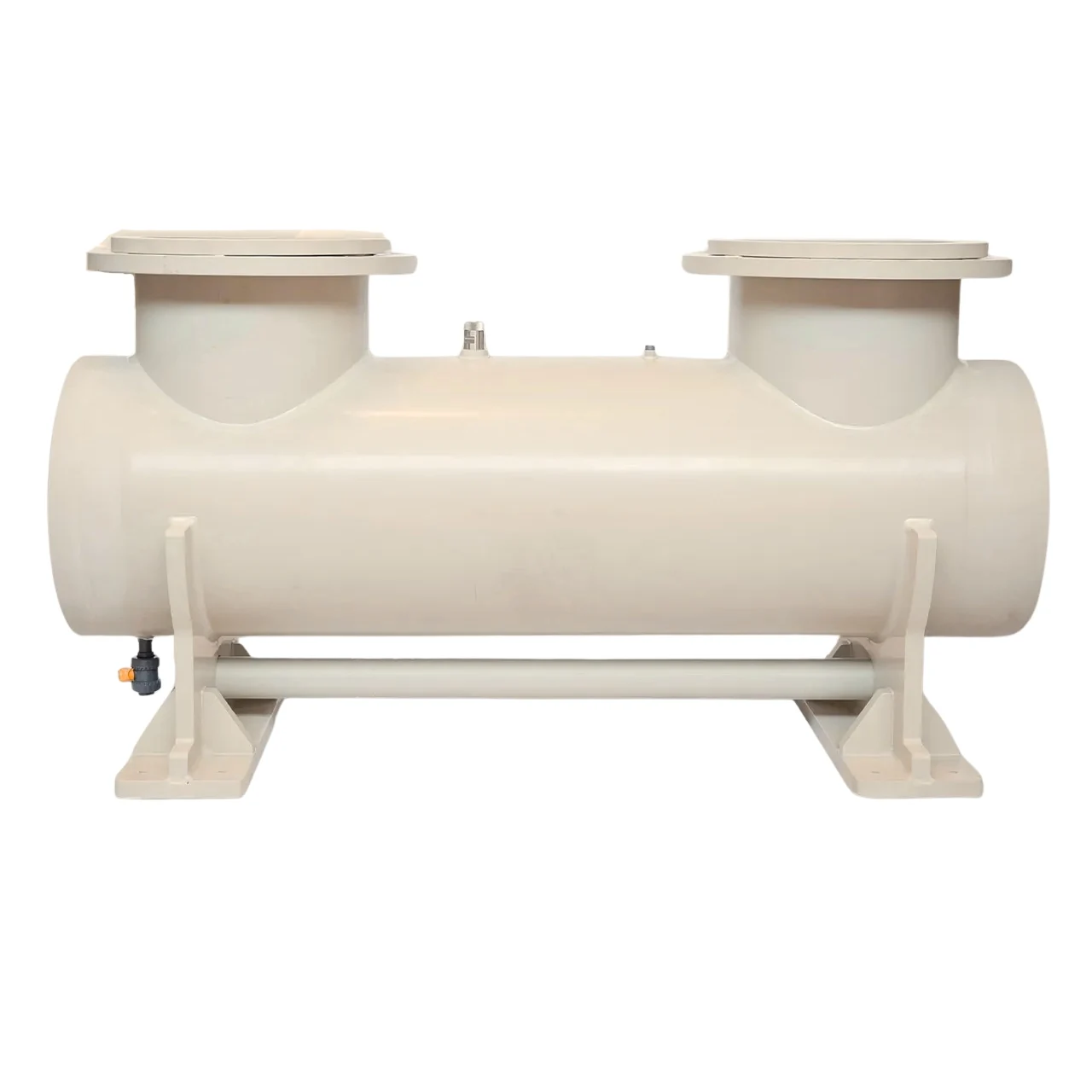
See our UV disinfection systems or the Pro drum filter with UV built in.
Pureflow Bio equipment for this
UV disinfection systems →UV-C chambers.Define the treatment duty
Use these questions to prepare a project brief or an operating review. Check an item only when the information has been recorded for your installation.
This checklist is a working aid in the current page session, not a saved maintenance record.
UV Lamp Sizing and Dose FAQ
Do I size UV from pond volume?
Volume helps for rules of thumb, but flow and dose decide the real result.
Does water temperature matter?
Lamp output changes with temperature. Follow the maker’s operating range.
More guides related to uv lamp sizing and dose
Discuss your system with Pureflow.
Share your application, operating volume, actual flow, loading and the question you are trying to resolve.