Pureflow Bio · Manufacturer in India
UV Disinfection Systems for Aquaculture and Fish Farms
UV disinfection systems, also called UV sterilizers, expose flowing water to ultraviolet light within a selected treatment chamber. Pureflow Bio manufactures UV water treatment equipment in India for aquaculture, fish farms, hatcheries and aquarium filtration.
What is UV disinfection?
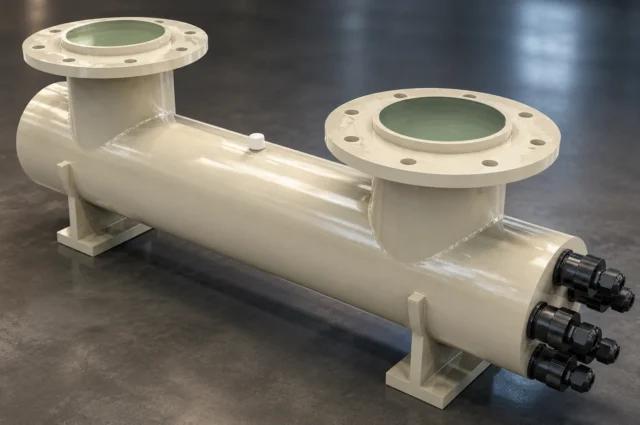
A UV disinfection system exposes flowing water to ultraviolet light within a defined reactor and validated operating envelope.
UV Disinfection Systems applications
Fish farms and hatcheries
Best for a defined water-treatment target after pretreatment.
Public aquariums and oceanariums
Best for exhibit-specific flow and water clarity requirements.
Marine, reef and research systems
Best for a selected lamp and chamber combination reviewed for the application.
How a UV disinfection system works
Prefilter the stream
Reduce the agreed suspended-solids load before the UV chamber.
Expose the flowing water
Operate the specified lamps and chamber at the approved flow and water quality.
Monitor and maintain
Check the installed monitoring and service lamps and sleeves to the supplied schedule.
UV Disinfection Systems features and benefits
Flow-through treatment
Adds a distinct treatment stage to the circulation route.
Catalogue UV range
Provides dimensional and lamp listings for an initial equipment comparison.
Serviceable lamp arrangement
Allows planning for lamp and sleeve access.
High-output lamp options
Supports matching the lamp, ballast and sleeve as a compatible set.
UV Disinfection Systems gallery
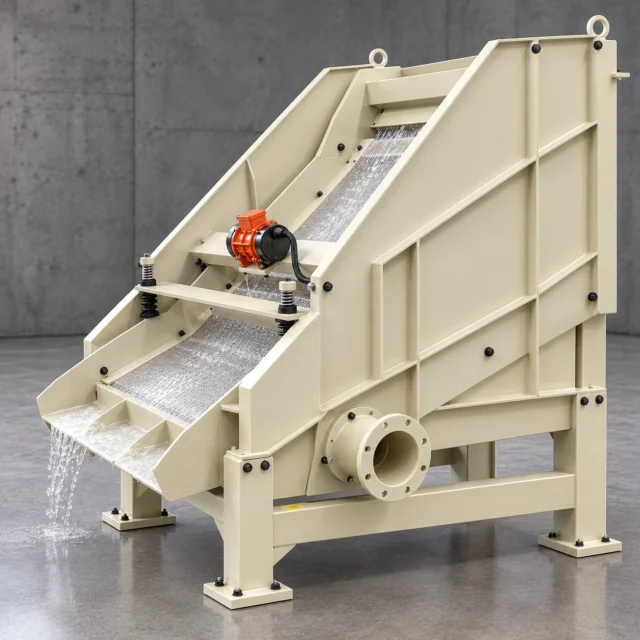
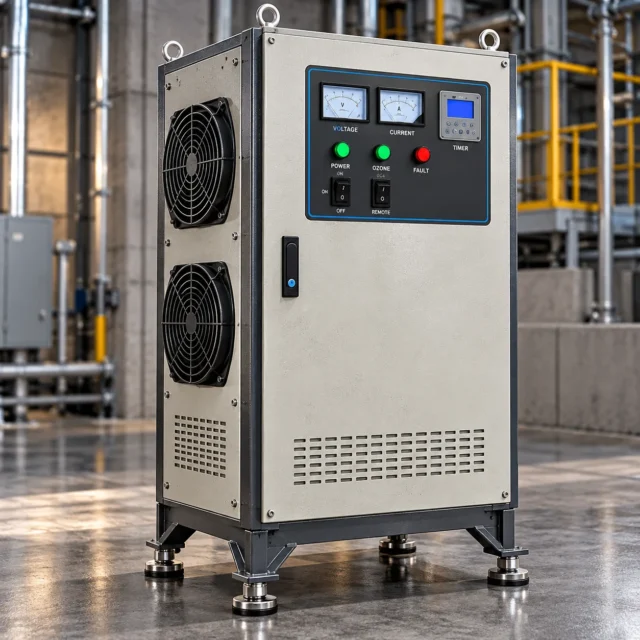
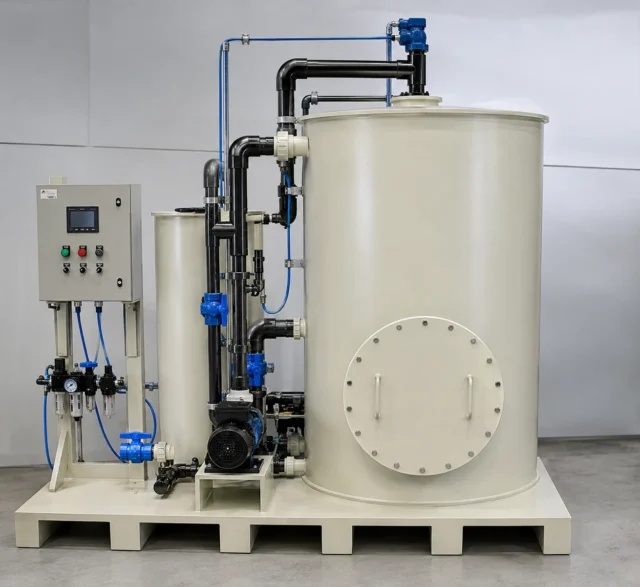
Explore equipment views and configuration examples. Images do not define the complete scope of supply or document a verified customer installation.
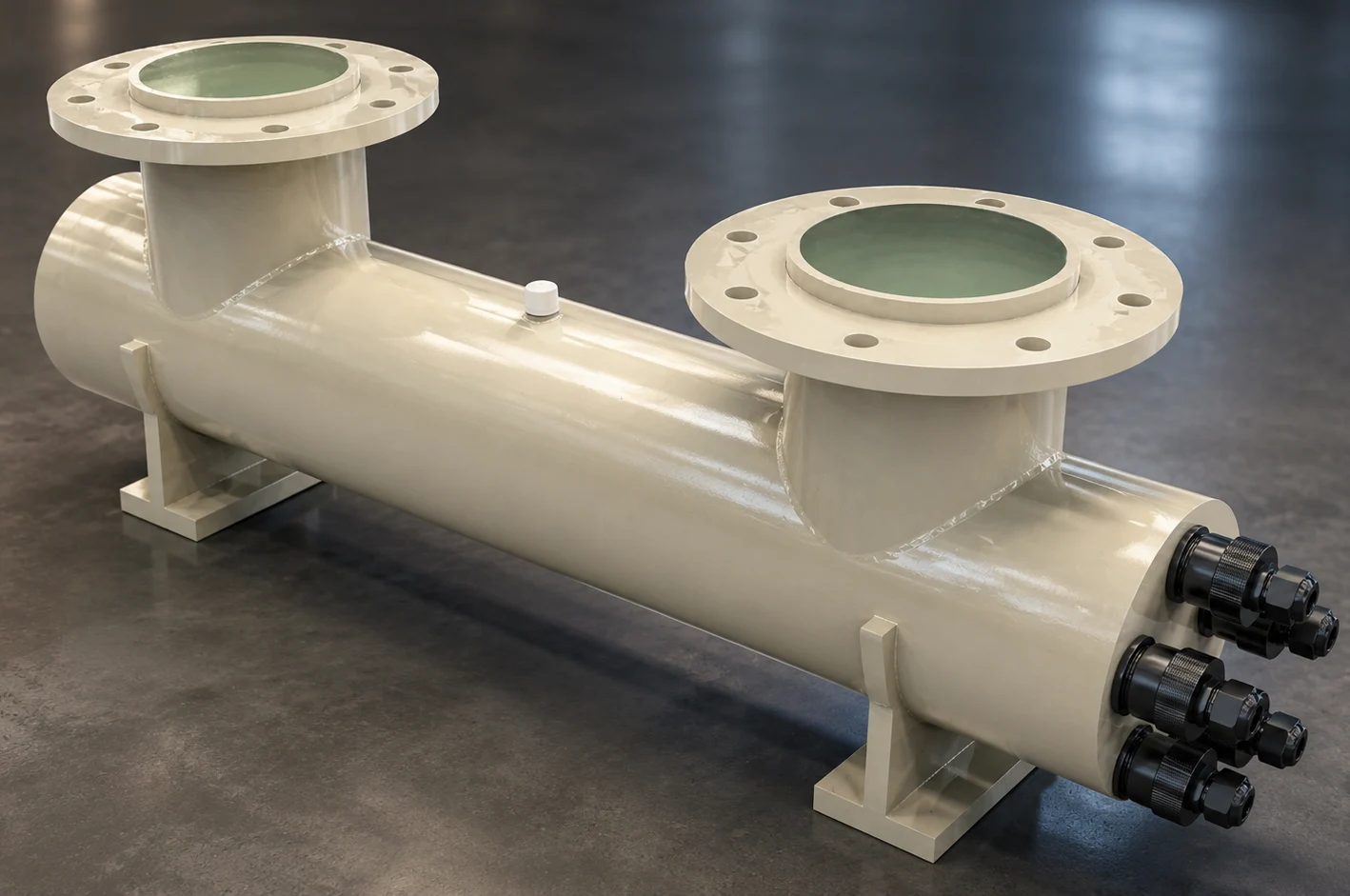
UV Disinfection Systems — assembly view
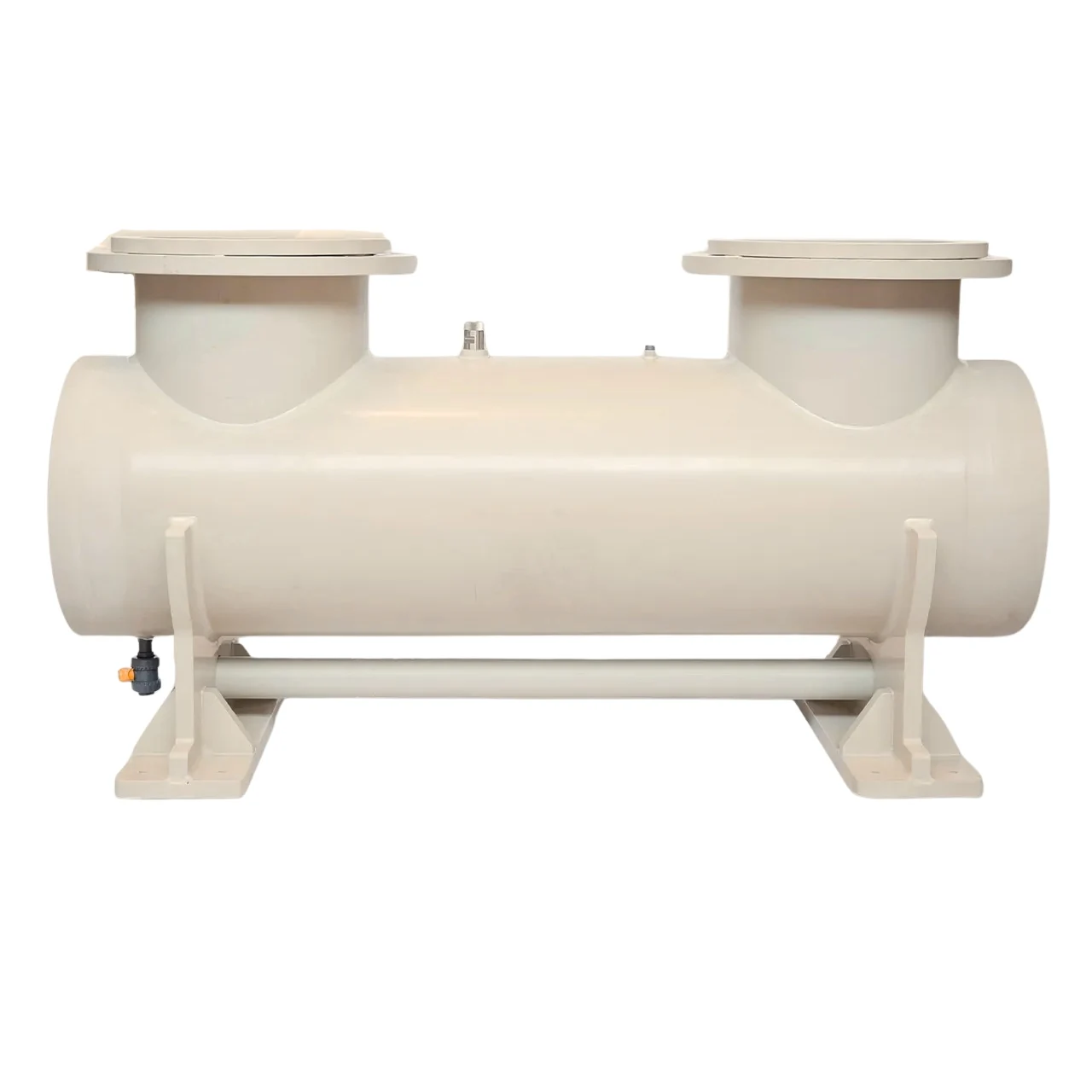
UV Disinfection Systems — configuration example
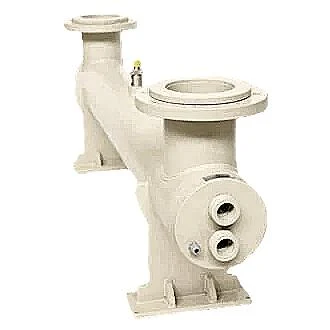
UV Disinfection Systems — equipment detail
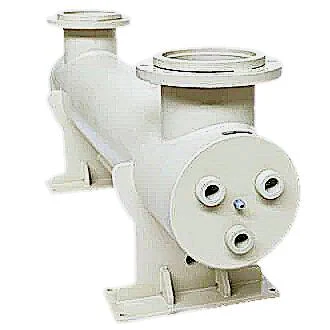
UV Disinfection Systems — layout example
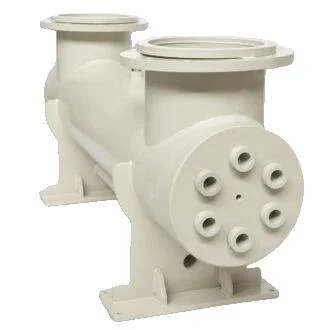
UV Disinfection Systems — connection view
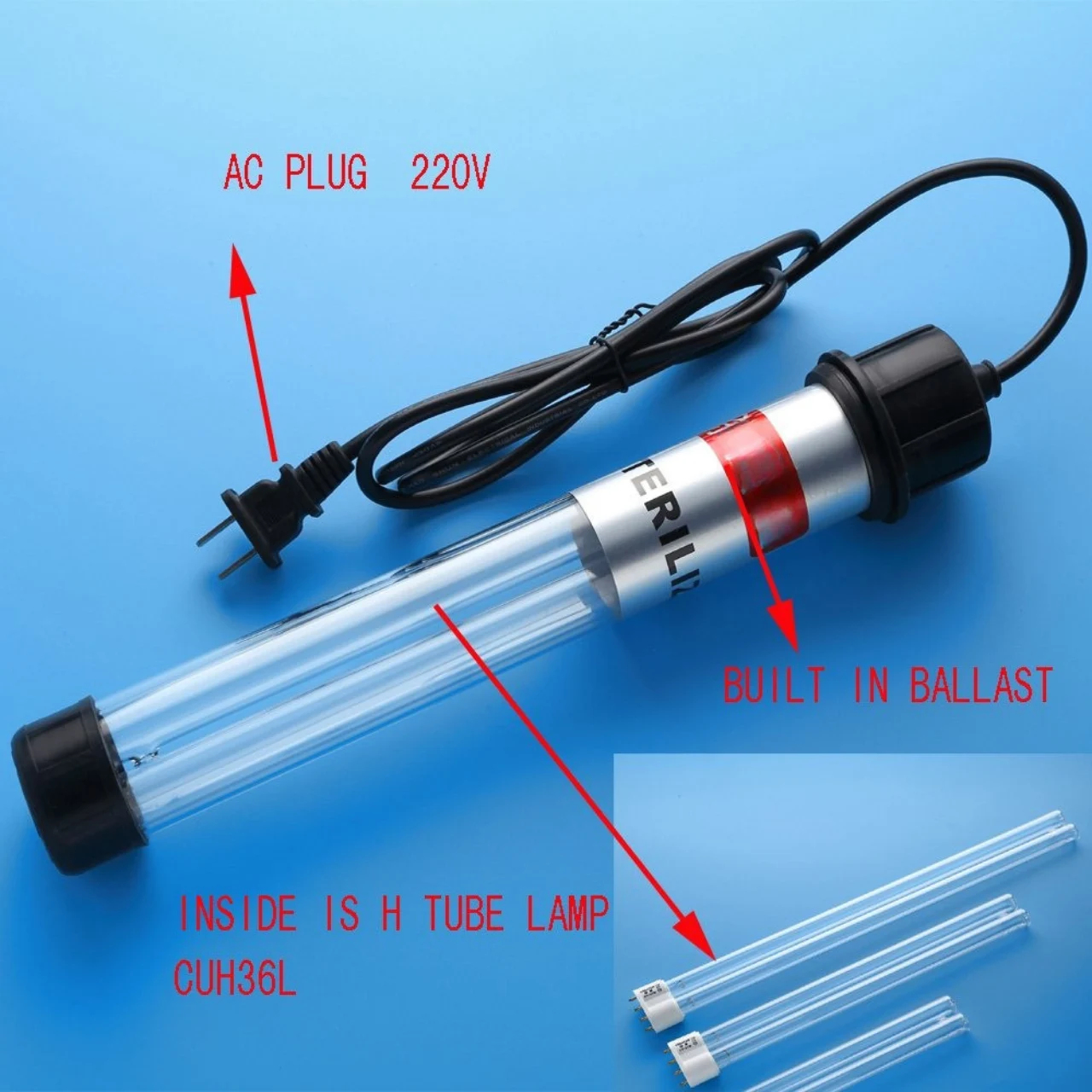
UV Disinfection Systems — lamp example
UV Disinfection Systems models and specifications
UV chamber series
| Model | Normal flow (m³/h) | Maximum flow (m³/h) | Length (mm) | Width (mm) | Height (mm) | Lamps (quantity) | UV power listed (W) | Enquiry |
|---|---|---|---|---|---|---|---|---|
| UV-1 | 1 | 2 | 650 | 135 | 300 | 1 | 40 | Enquire about UV-1 |
| UV-5 | 5 | 8 | 745 | 160 | 300 | 1 | 80 | Enquire about UV-5 |
| UV-10 | 10 | 12 | 770 | 190 | 350 | 2 | 80 | Enquire about UV-10 |
| UV-20 | 20 | 30 | 770 | 190 | 350 | 3 | 160 | Enquire about UV-20 |
| UV-50 | 50 | 55 | 1785 | 255 | 425 | 3 | 300 | Enquire about UV-50 |
| UV-100 | 100 | 120 | 1785 | 300 | 510 | 2 | 400 | Enquire about UV-100 |
| UV-250 | 250 | 300 | 1785 | 345 | 610 | 4 | 400 | Enquire about UV-250 |
High-output UV lamps
| Lamp model | Tube diameter (mm) | Length (mm) | Power (W) | Lamp voltage at 50–60 Hz (V) | Lamp voltage at high frequency (V) | Enquiry |
|---|---|---|---|---|---|---|
| PF436/HO | 15 | 436 | 48 | 70 | 60 | Enquire about PF436/HO |
| PF793/HO | 15 | 793 | 70 | 90 | 76 | Enquire about PF793/HO |
| PF846/HO | 15 | 846 | 80 | 127 | 113 | Enquire about PF846/HO |
| PF893/HO | 15 | 893 | 90 | 135 | 120 | Enquire about PF893/HO |
| PF1148/HO | 15 | 1148 | 120 | 166 | 154 | Enquire about PF1148/HO |
| PF1554/HO | 15 | 1554 | 155 | 220 | 195 | Enquire about PF1554/HO |
Configuration and supply details
Confirm materials, connection standard, dimensions, electrical requirements and included components for the selected equipment. The quotation defines the approved scope.
Optional components
- High-output lamps
- Quartz sleeves and compatible ballasts
- Lamp type selected for the treatment objective
Options are supplied only when included in the agreed quotation.
Engineering & procurement
Choose a UV sterilizer by dose at operating conditions
The UV model tables help compare chamber sizes and catalogue flows. An aquaculture UV sterilizer should ultimately be selected against the required treatment objective and documented reactor performance.
- Remove suspended solids
- Check minimum UVT
- Verify UV reactor duty
- Monitor & maintain
Hydraulic flow and UV dose are different
Normal and maximum catalogue flow identify hydraulic comparison points. They do not demonstrate a required organism reduction at every water quality. Lamp wattage cannot be converted directly into delivered UV dose.
Review the least favourable design condition
Specify minimum UV transmittance at 254 nm on a stated path length, maximum operating flow, end-of-lamp-life output and fouling allowance. Ask how the required dose is supported by the selected reactor’s validation or performance documentation.
| Selection item | Specify or verify | Why it changes the selection |
|---|---|---|
| Treatment target | Organism or treatment objective and required reduction | Different treatment objectives require different evidence and operating envelopes. |
| Water quality | Minimum UVT, turbidity, solids and upstream filtration | Poor transmission and particle shielding affect treatment. |
| Reactor duty | Required dose (mJ/cm²), actual flow and validation basis | Maximum flow is not a universal disinfection rating. |
| Controls and service | Intensity monitoring, flow status, alarms, bypass policy and lamp/sleeve access | Operation outside the agreed envelope must be detectable and maintainable. |
How to choose a UV disinfection system
A UV unit does not physically remove solids or guarantee disease-free water; performance depends on the validated operating conditions.
UV works best on clear water. Place it after mechanical filtration such as an automatic rotary drum filter.
Selection example
A 20 m³/h branch matches the UV-20 normal-flow listing; its maximum listing is 30 m³/h. Neither value proves the required UV dose: confirm UV transmittance, target organism, lamp condition and the validated operating envelope.
- Required organism or treatment target
- Design flow and minimum UV transmittance
- Suspended solids and pretreatment
- Validated dose at end of lamp life
- Lamp access, supply and monitoring
Build your uv disinfection systems enquiry brief
Record your design requirements for review. This tool does not calculate an unverified treatment capacity or automatically approve a model.
UV Disinfection Systems installation and maintenance
Installation and integration
Provide isolation, a drain route and enough clearance to remove lamps and sleeves. Confirm chamber orientation, electrical protection and the actual lamp-ballast supply requirements.
Routine maintenance
Clean sleeves and replace lamps using the supplied procedure. Isolate the electrical supply before service and avoid exposure to operating UV lamps.
Warranty, dispatch and installation
One-year equipment warranty
Confirm coverage and operating requirements in the quotation.
Dispatch within 15 working days
Dispatch follows order confirmation. Transport and site delivery time are additional.
Made in India
Made in India by Pureflow Bio. Installation, commissioning and service across India are agreed for your project.
For complete turnkey projects, confirm the project schedule, utilities, site preparation, installation and commissioning responsibilities separately.
Request a UV disinfection system quote
Share your application, preferred model and site requirements. Pureflow Bio will confirm the selected configuration and scope in your quotation.
UV Disinfection Systems FAQs
What's the difference between a UV clarifier and a UV steriliser?
It's mostly a question of dose. A unit with a low dose for its flow will clear green water (a clarifier). Give the same water a higher dose, by using more lamp power or a slower flow, and it will also kill bacteria and parasites (a steriliser). Fish farms and hatcheries usually need the steriliser dose.
How do I size a UV system?
Size it by the flow through the unit and the dose you need, not just by tank volume. Clearing algae needs far less UV than killing pathogens. Tell us your flow rate, how clear the water is and what you're trying to control, and we'll match the lamp power and chamber.
Where should the UV go in my system?
Put it after the mechanical and biological filters, just before water returns to the fish. Clean water lets UV light penetrate properly; dirty water shields the bugs you're trying to kill.
How often should UV lamps be changed?
Every 9 to 12 months for most systems. A lamp can keep glowing long after its UV output has dropped by half, so go by the date, not by whether it lights. Clean the quartz sleeve at the same time, or more often in hard water.
Will UV kill the beneficial bacteria in my biofilter?
No. Nitrifying bacteria live attached to filter media, not floating in the water, so they never pass through the UV chamber.
Is UV safe for fish and staff?
It's completely safe for fish, because the light stays inside the sealed chamber. Staff should never look at a lit lamp outside its housing, since UV-C damages eyes and skin. Switch it off before opening the unit.
Plan your complete aquaculture or aquarium system
Connect uv disinfection systems to the wider treatment process
Discuss equipment integration, utilities and a coordinated project scope with Pureflow Bio.